Browse

Log in / Register
 Share
Share
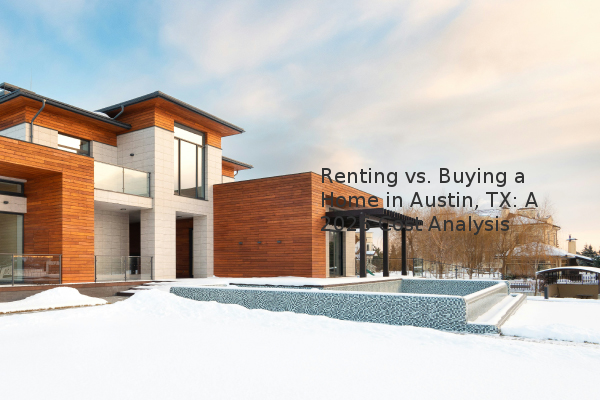
For many in Austin, Texas, renting a home is significantly more affordable than buying one. According to a 2025 industry report whose trends continue into 2026, the median monthly cost to rent in Austin was over 114% lower than the monthly costs associated with homeownership. This translates to potential savings of more than $1,600 per month for those who choose to lease. This analysis examines the key factors behind this financial divergence and what it means for residents.
Austin’s status as a major hub for technology and education led to a surge in demand for housing. During the pandemic, the city attracted thousands of new residents and companies, which drove home prices upward rapidly. At the same time, the market saw a massive expansion of multifamily construction—a term for residential buildings designed to house multiple separate tenants, such as apartment complexes. This construction boom created an abundant supply of rental units, which helped keep rent prices stable or even caused them to decline slightly, creating a wide gap between the cost of renting and buying.
Based on recent data, the financial picture is clear. The median rent in Austin stands at approximately $1,467 per month. In contrast, the monthly cost of buying a median-priced home, which includes the mortgage principal, interest, property taxes, and insurance, is about $3,150. This results in a monthly savings of roughly $1,683 for renters. High mortgage rates, which remain elevated, and increasing insurance premiums continue to make homeownership more expensive.
| Metro Area | Median Monthly Rent | Monthly Cost to Buy | Renter's Monthly Savings |
|---|---|---|---|
| Austin, TX | $1,467 | $3,150 | $1,683 |
| Los Angeles, CA | Data Not Shown | Data Not Shown | $2,623 |
| San Francisco, CA | Data Not Shown | Data Not Shown | ~$2,500 |
| Seattle, WA | Data Not Shown | Data Not Shown | $1,787 |
| Phoenix, AZ | Data Not Shown | Data Not Shown | $1,247 |
| Table based on 2025 data trends continuing into 2026, illustrating the rent-versus-buy gap in major metros. |
While Austin's rental market remains favorable, the financial benefit of renting has decreased slightly over the past year. This is part of a national trend affecting many major markets. The primary reason is that growth in home prices has begun to moderate in some areas, while new rental supply has helped stabilize leasing costs. However, based on our experience assessment, Austin's cost gap remains one of the largest in the country, indicating that renting is still the more economical choice for the foreseeable future.
Your decision to rent or buy should be based on a careful evaluation of your financial situation and long-term goals.