Browse

Log in / Register
 Share

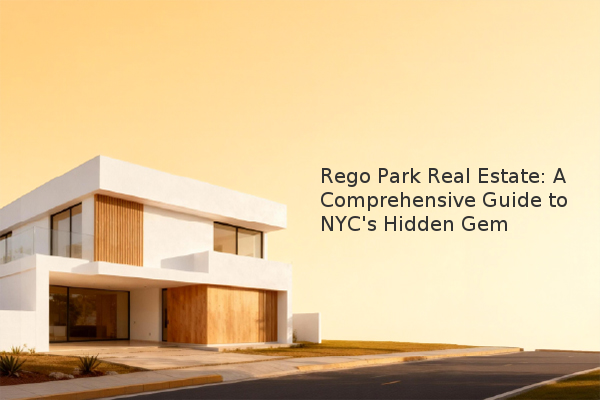
Rego Park, Queens, offers a compelling blend of affordability, convenience, and community that makes it a standout neighborhood for buyers and renters seeking value in New York City. Based on our experience assessment, the area's real estate market is characterized by a high concentration of cooperative apartments (co-ops), strong transportation links, and a more accessible price point compared to many parts of Manhattan and Brooklyn. This guide provides an objective overview of what to expect when navigating the Rego Park housing landscape.
The housing stock in Rego Park is predominantly made up of mid-rise apartment buildings constructed from the 1930s to the 1960s. The most common property type is the co-op, a form of homeownership where you purchase shares in a corporation that owns the building, rather than holding a traditional deed to your unit. Co-op boards typically have stringent application processes, including interviews and financial requirements. Another common option is the condominium (condo), which offers a more straightforward form of ownership similar to a private house. There are also rental buildings and a limited number of single-family homes, often in the form of attached houses like brick Tudors. The neighborhood's central hub is the Rego Center mall, anchored by major retailers like Costco and Macy's, adding significant convenience for residents.
Recent market analysis indicates that Rego Park provides a relative value within the New York City context. The table below illustrates approximate market prices as of early 2025, though these figures are subject to change and should be verified with a local real estate professional.
| Property Type | Average Sale Price | Average Monthly Rent (1-Bedroom) |
|---|---|---|
| Co-op Apartment | $350,000 - $450,000 | $2,300 - $2,800 |
| Condo Apartment | $550,000 - $700,000 | $2,800 - $3,400 |
| 2-Bedroom Rental | N/A | $3,200 - $4,000 |
Advantages:
Considerations:
The process for purchasing a co-op involves several distinct steps. First, you must secure financing pre-approval, noting that co-op loans differ from standard mortgages. After having an offer accepted, you will submit a comprehensive board package detailing your finances, employment history, and personal references. This is followed by a mandatory interview with the co-op board. The board has the power to approve or reject an application for any reason, a process that can take several weeks. Upon board approval, you can proceed to closing, where you pay the down payment and associated closing costs. It is highly recommended to work with a real estate attorney experienced in NYC co-op transactions.
Navigating the Rego Park market requires a clear understanding of its unique characteristics. The neighborhood's primary appeal is its balance of transit access and relative affordability. Potential buyers should be prepared for the specific challenges of the co-op purchase process, while renters can find good value, especially for larger units. The area's cultural diversity and strong local amenities contribute to a high quality of life. Ultimately, success in the Rego Park real estate market depends on aligning your housing needs with the neighborhood's specific inventory and procedures.