Browse

Log in / Register
 Share

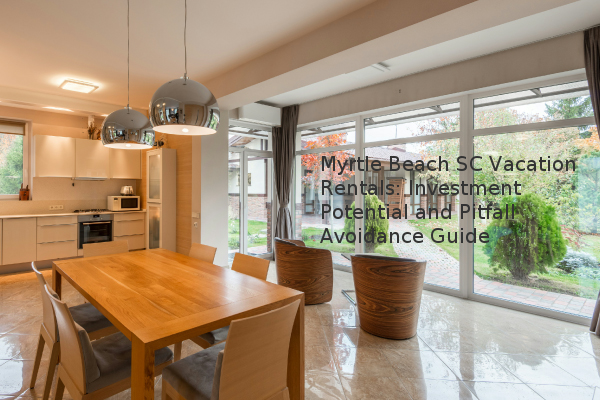
Investing in a Myrtle Beach, South Carolina vacation rental property can offer significant income potential, with average daily rates ranging from $150 to $400 during peak season, but success hinges on understanding local regulations, market dynamics, and effective management strategies. This guide provides an objective analysis of the key factors to consider, from calculating the capitalization rate to navigating Horry County's specific rental ordinances.
The Myrtle Beach market is driven by its 60-mile Grand Strand coastline and year-round golf appeal, creating consistent demand. A critical metric for assessing any rental property's profitability is its capitalization rate (cap rate), which is the net operating income divided by the property's purchase price. A higher cap rate generally indicates a higher potential return. Properties closer to the oceanfront or in family-friendly communities like Carolina Forest often command premium rates. However, investors must factor in variable costs, including property management fees (typically 20-30% of rental income), maintenance, property taxes (calculated on the assessed value), and fluctuating utility costs, especially during the hot summer months. Seasonality is a major factor; while summer is highly profitable, the off-season requires strategic pricing to maintain cash flow.
| Consideration | Impact on Investment |
|---|---|
| Peak Season (June-August) | Highest rental demand and rates; requires advanced booking management. |
| Shoulder Seasons (Spring/Fall) | Attracts golfers and retirees; ideal for special offers to maintain occupancy. |
| Off-Season (Winter) | Lower rates but potential for long-term rentals; operational costs remain. |
| Property Management | Essential for remote owners; impacts net income but provides 24/7 guest support. |
Choosing the right property involves more than just the number of bedrooms. Location within the Myrtle Beach area drastically affects occupancy rates. Oceanfront condos in the city of Myrtle Beach offer high visibility but may come with higher homeowners association (HOA) fees and stricter rental rules. Alternatively, single-family homes in nearby communities like North Myrtle Beach or Surfside Beach appeal to larger families seeking privacy and may have fewer restrictions. Key amenities that can significantly boost rental appeal include private pools, hot tubs, game rooms, and being pet-friendly. It is crucial to review the HOA's covenants, conditions, and restrictions (CC&Rs) before purchasing, as some associations limit rental frequency or the number of allowable occupants, directly impacting your business model.
Operating a vacation rental in Horry County requires strict adherence to local laws. All short-term rentals must obtain a business license from the City of Myrtle Beach or the relevant municipality and remit the required accommodations tax (a portion of the rental income paid to the state and local government). As of 2024, regulations often mandate that the property owner or a local representative be available 24/7 to address guest issues or noise complaints. Furthermore, you are required to carry adequate liability insurance that specifically covers short-term rentals, as a standard homeowner's policy may not protect against claims from paying guests. Failure to comply can result in substantial fines and the revocation of your rental permit, halting operations entirely.
Many new investors underestimate the ongoing costs, leading to negative cash flow. Beyond the mortgage, budget for recurring expenses like cleaning services between guests, landscaping, pool maintenance, and a contingency fund for unexpected repairs like HVAC failure or storm damage. It is advisable to conduct a thorough financial analysis, projecting income and expenses month-by-month to account for seasonality. Another common pitfall is inadequate marketing; high-quality photos, a detailed property description, and a streamlined booking process are essential to stand out in a competitive market. Based on our experience assessment, working with a reputable local property manager can help mitigate these risks by providing vetted vendor contacts and dynamic pricing tools.
In summary, a successful Myrtle Beach vacation rental investment requires diligent financial planning, a thorough understanding of local regulations, and a strategic approach to property selection and management. By focusing on accurate cap rate calculations, complying with all Horry County ordinances, and budgeting for all operational costs, investors can make a well-informed decision.