Browse

Log in / Register
 Share

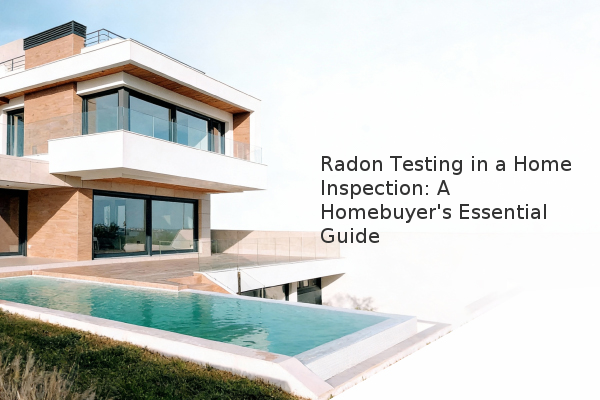
A radon test during a home inspection is a critical step for protecting your health and investment. Radon, a colorless, odorless radioactive gas, is the second leading cause of lung cancer in the United States. Because you cannot detect it without specialized equipment, testing is the only way to know if a home has unsafe levels. The process is a relatively inexpensive add-on to a standard inspection, typically costing between $100 and $250. If high levels are found—above the U.S. Environmental Protection Agency (EPA) action level of 4.0 picocuries per liter (pCi/L)—you can negotiate with the seller to install a mitigation system, which is often highly effective and costs between $800 and $1,500.
Radon is a naturally occurring radioactive gas released from the decay of uranium in soil, rock, and water. It seeps upward from the ground and can enter a home through cracks in the foundation, gaps around pipes, or crawl spaces. The primary danger lies in long-term exposure. According to recent EPA data, radon is responsible for an estimated 21,000 lung cancer deaths each year. Since radon levels can vary significantly between neighboring homes and fluctuate with weather conditions, every home must be tested individually.
A standard home inspection does not automatically include radon testing; you must request it as an add-on service or hire a certified radon specialist. The inspector will place a testing device in the lowest livable level of the home, such as a basement. For accurate results, "closed-house conditions" must be maintained, meaning windows and doors are kept closed for at least 12 hours before and during the typically 48-hour test. A professional uses an active, continuous radon monitor (CRM) that provides real-time, tamper-resistant data. This method is considered the gold standard for real estate transactions due to its accuracy and speed.
Radon levels are measured in picocuries per liter (pCi/L), which indicates the amount of radioactivity in a liter of air. The EPA provides clear guidelines based on this measurement:
Even if results are slightly below 4.0 pCi/L, many homeowners choose to mitigate proactively for peace of mind.
Discovering high radon levels is not a reason to automatically walk away from a purchase. Radon mitigation is a common and highly effective solution. The most common system involves installing a vent pipe and fan that draws radon gas from beneath the foundation and safely vents it outside the home. These systems can reduce radon levels by up to 99%. Based on our experience assessment, most sellers are willing to address the issue, especially in states with strict disclosure laws. After system installation, a follow-up test is essential to verify its effectiveness.
While any home can have a radon problem, certain characteristics increase the risk:
The most practical advice is to always test. Do not assume a new home is safe; even properties built with radon-resistant features should be tested after move-in. Negotiating radon mitigation with the seller before closing is far more cost-effective than addressing it yourself later. Schedule a follow-up test every two years or after any significant renovations to your basement or foundation.