Browse

Log in / Register
 Share

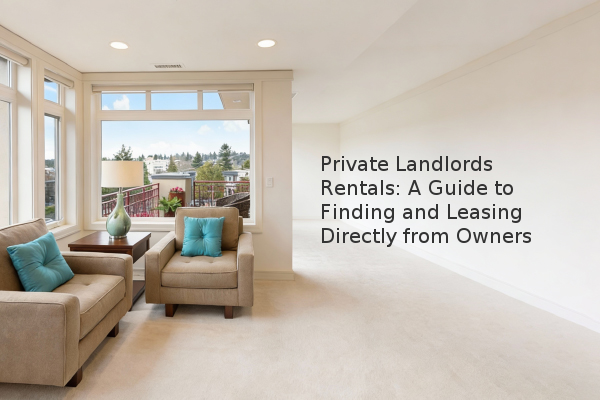
Renting directly from private landlords offers a unique path to securing a home, often characterized by more flexible negotiations and potentially lower costs than dealing with large property management companies. This guide outlines the advantages of private rentals, effective search strategies, and crucial steps for vetting both the property and the landlord to ensure a secure and satisfactory leasing experience. Finding a private landlord rental can eliminate broker fees and facilitate direct communication, but it requires diligent research to avoid potential pitfalls.
The primary appeal of private landlords lies in the potential for a more personalized and flexible rental process. Unlike corporate entities bound by strict policies, individual owners may have more leeway to negotiate terms. You might negotiate the security deposit amount, a slightly lower monthly rent, or include specific appliances in the lease. Communication is often more direct, with requests and maintenance issues going straight to the decision-maker rather than through a multi-layered corporate system. This can lead to faster response times for repairs. Furthermore, renting directly often means avoiding a broker’s fee, which can amount to a full month's rent or more in some competitive markets, providing significant upfront savings.
However, this informal structure also carries risks. The lack of standardized procedures means the experience heavily depends on the landlord's professionalism. It is essential to ensure all agreements are documented in writing to protect both parties.
Locating private landlord rentals requires a different approach than searching for apartment complexes. While major listing sites are a starting point, using filters for "for rent by owner" can help narrow results. Drive-throughs in desired neighborhoods can be exceptionally fruitful, looking for "For Rent" signs with direct contact numbers. This method often uncovers properties that are not advertised online, reducing competition. Online community boards, local Facebook groups, and platforms like Craigslist can also be sources, but these require heightened caution to avoid rental scams.
When using online classifieds, be wary of listings that seem too good to be true, ask for money before you've seen the property, or where the landlord is unavailable to meet in person. Always verify the person you are dealing with is the legitimate property owner.
Before committing to a private rental, thorough due diligence is non-negotiable. Your first step is to schedule a property viewing. Inspect the property carefully for any signs of damage, test appliances, faucets, and lights, and ask about utilities. During the visit, engage the landlord in conversation to assess their responsiveness and professionalism.
Next, verify the landlord's ownership of the property. This can often be done by searching the county assessor's office website using the property address; these public records will list the owner's name. This simple step can prevent you from falling victim to a rental scam. Finally, read the lease agreement meticulously. Ensure all verbal agreements—such as promised repairs or included amenities—are explicitly written into the lease. Understand terms related to security deposit returns, maintenance responsibilities, and the procedure for breaking the lease early.
| Due Diligence Checklist | Why It's Important |
|---|---|
| In-Person Property Tour | Assess condition, noise levels, and neighborhood. |
| Landlord Identity Verification | Confirm you are dealing with the legal owner. |
| Thorough Lease Review | Ensure all terms are clear and legally sound. |
| Research Local Rental Laws | Understand your rights as a tenant in that state. |
While many private landlords are reputable, being aware of red flags is crucial for risk avoidance. A major warning sign is a landlord who pressures you to sign a lease or transfer funds immediately without allowing time for consideration or proper checks. Be cautious if they are unwilling to provide a written lease or if the lease appears overly simplistic and lacks important clauses. Another red flag is a refusal to make necessary repairs before move-in or a hesitancy to provide contact information.
Transparency is key. A professional landlord will be happy to answer your questions and provide documentation. Trust your instincts; if something feels off during your interactions, it is often better to continue your search.
To ensure a positive experience with private landlords rentals, prioritize verifying ownership, conducting a thorough walkthrough, and meticulously reviewing the lease agreement. This proactive approach allows you to leverage the benefits of direct leasing while minimizing the associated risks.