Browse

Log in / Register
 Share
Share
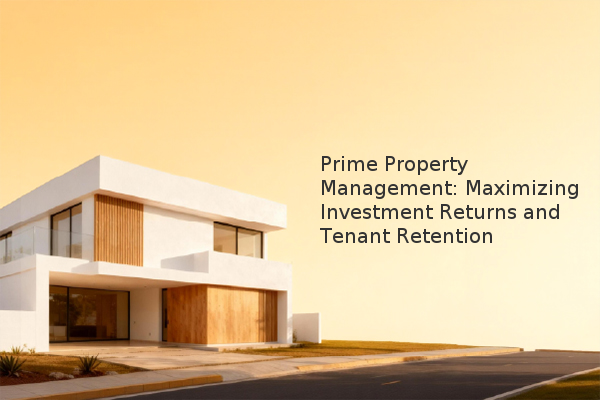
Prime property management is a strategic discipline focused on maximizing the value and profitability of real estate investments through expert oversight of tenant relations, maintenance, and financial operations. For property owners, achieving a superior return on investment (ROI) hinges on effective systems that minimize vacancy rates, control operational expenses, and ensure legal compliance. Based on our experience assessment, a professionally managed property can see a 7-10% higher annual ROI compared to self-managed units, primarily due to optimized rental pricing and proactive maintenance preventing costly repairs.
The primary financial advantage lies in strategic rental pricing. Prime property managers conduct comparative market analyses to set rental rates that maximize income without deterring qualified tenants. This eliminates the common pitfalls of owner-estimated pricing, which can be either too high (leading to extended vacancies) or too low (leaving money on the table). Furthermore, systematic expense management is crucial. This involves negotiating with vendors for services like landscaping and repairs, ensuring you are not overpaying for maintenance. A key financial metric they track is the capitalization rate (cap rate), which is the net operating income divided by the property's purchase price, used to estimate the investor's potential return.
Securing and retaining high-quality tenants is more cost-effective than frequent turnover. Prime property management prioritizes tenant satisfaction through responsive communication and timely resolution of maintenance requests. A satisfied tenant is more likely to renew their lease, which eliminates turnover costs that include marketing, cleaning, repainting, and the lost rent during the vacancy period. The tenant screening process is also critical, involving thorough credit checks, rental history verification, and income confirmation to ensure reliability and reduce the risk of missed payments or property damage.
Beyond tenant relations, the physical preservation of the asset is a core function. This involves implementing a proactive maintenance plan that covers both routine and emergency issues. Routine tasks include seasonal services like gutter cleaning and HVAC system inspections, while emergency protocols ensure 24/7 response capabilities for issues like burst pipes. Regular property inspections, typically conducted quarterly or semi-annually, allow managers to identify wear-and-tear early and maintain detailed records of the property's condition. This documentation is invaluable for budgeting for future repairs and during security deposit disputes.
Navigating landlord-tenant law is a complex area where missteps can be costly. Laws regarding security deposits, eviction procedures, and habitability standards vary by state and municipality. Prime property management services ensure compliance with all local regulations, including fair housing laws that prohibit discrimination based on race, religion, gender, and other protected classes. They also manage the legal paperwork, from lease agreements that include necessary addendums to formal notices for entry or lease violations, shielding owners from potential litigation.
To optimize your real estate investment, consider that prime property management is not an expense but a strategic investment in asset appreciation and passive income generation. The key takeaways are the direct correlation between professional oversight and higher net operating income, the critical importance of tenant retention strategies in reducing costs, and the indispensable value of legal risk mitigation.