Browse

Log in / Register
 Share
Share
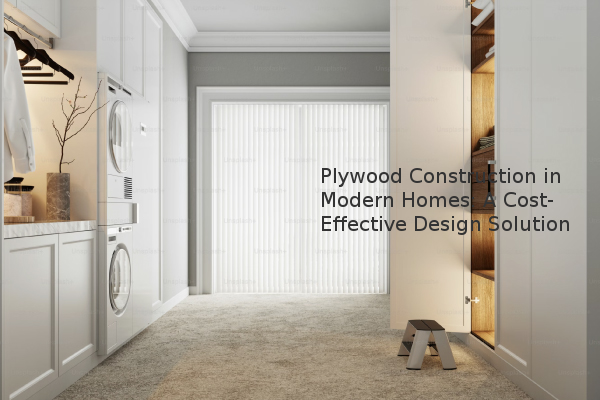
Using plywood as a primary building material can create a unique, cost-effective, and aesthetically striking modern home, as demonstrated by a custom-built residence in Austin, Texas. This approach, which combines low-cost materials with high-end design, offers significant budget savings without compromising on style or functionality. For homebuyers or builders considering alternative materials, understanding the practical benefits and market appeal of such properties is crucial.
What are the advantages of using plywood in home construction? Plywood, an engineered wood product made from thin layers of wood veneer, offers several advantages in residential construction. The primary benefit is significant cost savings compared to traditional solid wood or other premium materials. In the Austin home example, the use of plywood finished with a protective polyurethane coating—a durable, clear sealant—addressed concerns about durability and maintenance. This coating prevents splinters and creates a surface that is easy to clean, making it practical for households with young children. Additionally, the light, "blond" color of the pine plywood contributes to a bright and airy atmosphere within the home, enhancing the sense of space.
How does innovative material use impact a home's design and value? The strategic use of economical materials like plywood allows architects to allocate more of the budget toward innovative design and high-impact features. The local architecture firm Faye and Walker designed the Austin residence to meet the clients' budget constraints while achieving a unique aesthetic. The home includes a poured concrete kitchen island, built-in wooden bookcases, and multi-functional seating with storage. The kitchen, featuring sliding glass doors that open to a patio, serves as the home's focal point, creating a seamless indoor-outdoor flow. This design philosophy proves that cost-cutting efforts on materials do not necessarily diminish a property's value or appeal; in fact, they can enhance its uniqueness. The home was featured in a prominent design publication, underscoring its architectural merit.
| Feature | Material | Design Benefit |
|---|---|---|
| Wall Construction | Plywood with Polyurethane Finish | Cost-effective, bright aesthetic, easy maintenance |
| Kitchen Surfaces | Poured Concrete | Industrial, durable, modern look |
| Interior Flow | Sliding Glass Doors | Seamless connection to outdoor patio |
What is the market potential for a home with unique design features? Homes with distinctive architectural elements appeal to a specific segment of the market. The Travis Heights neighborhood in Austin provides a strong context, with proximity to the South by Southwest (SXSW) festival, downtown, and the South Congress (SoCo) shopping and dining district. This location enhances the property's attractiveness for both primary residence and investment purposes. Based on our experience assessment, there is a market for long-term luxury rentals in such areas, with additional potential for high-yield short-term rentals during major local events. However, a home with a bold design like extensive plywood finishes requires a buyer who appreciates its unique character. As the listing agent noted, "You’re either going to love it or it’s not going to work for you."
Conclusion For those considering building or buying a home with alternative materials, the key takeaway is to prioritize quality finishes, like a durable polyurethane coating, to ensure practicality. The location and potential for rental income can significantly bolster the investment value of a architecturally unique property. Ultimately, a successful project hinges on a clear vision that balances cost, design, and functionality.