Browse

Log in / Register
 Share
Share
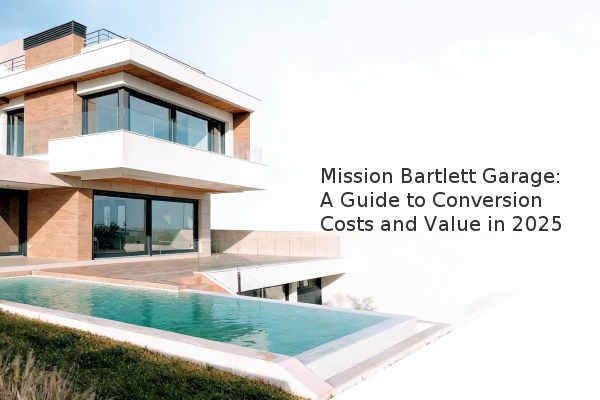
Converting a Mission Bartlett garage into a livable space is a significant home improvement project that can increase your property's square footage and market value. Based on our experience assessment, a successful conversion in 2025 typically costs between $20,000 and $50,000, with the final price heavily dependent on the level of finish and local permit requirements. This upfront investment, however, can yield a strong return by creating a functional home office, rental unit, or additional bedroom, directly addressing the growing demand for flexible living spaces.
What is a Mission Bartlett Garage and Why Consider a Conversion? A Mission Bartlett garage refers to a specific style of detached or attached garage, often characterized by its sturdy construction and larger footprint, found in many American homes. The primary motivation for converting this space is the substantial gain in usable living area without the expense of a full-scale addition. For families not requiring extensive vehicle storage, this underutilized square footage presents a valuable opportunity. Key drivers include the need for a dedicated home office, a self-contained unit for multigenerational living, or a potential rental income source. Before proceeding, it is crucial to verify that the conversion aligns with your local zoning ordinances, which govern how properties can be used.
What Are the Key Cost Factors in a Garage Conversion? The total expense is not a single figure but an accumulation of several project components. The most significant cost is typically the HVAC (Heating, Ventilation, and Air Conditioning) system extension, which can range from $3,000 to $7,000 to ensure the new space is comfortable year-round. Next, proper insulation and wall finishing are essential for energy efficiency and can cost $2,000 to $5,000. Electrical and plumbing work, especially if adding a bathroom or kitchenette, will substantially impact the budget, potentially adding $5,000 to $15,000. Don't overlook smaller but critical items like flooring, windows for egress and light, and permitting fees, which vary by municipality but are non-negotiable for a legal conversion.
How Does a Garage Conversion Impact Your Home's Value? A well-executed garage conversion can be a savvy financial decision. By adding legal, conditioned living space, you directly increase your home's appraisal value. Real estate professionals often estimate that a conversion can recover 60% to 80% of its cost in added home value at the time of sale. The exact Return on Investment (ROI) depends on your local housing market and the quality of the renovation. For example, converting to a bedroom or an Accessory Dwelling Unit (ADU), a secondary housing unit on a single-family lot, tends to offer a higher ROI in markets with high rental demand. It is important to note that this upgrade may not appeal to buyers who prioritize garage parking, so understanding your neighborhood's buyer profile is key.
What Are the Essential Steps in the Planning Process? A successful conversion requires meticulous planning to avoid costly mistakes. The first step is always to contact your local building department to understand specific code requirements and obtain the necessary permits. Failing to do so can result in fines and problems when selling your home. Next, create a detailed budget that includes a 10-15% contingency for unforeseen issues. You will also need to decide on the new room's purpose, as this dictates the need for plumbing, electrical outlets, and lighting. Hiring licensed and insured contractors for structural, electrical, and plumbing work is not just a recommendation; it is a requirement for ensuring the safety and legality of the project.
Key Takeaways for Your Mission Bartlett Garage Project. Transforming your Mission Bartlett garage is a substantial but rewarding endeavor. To maximize your investment, always secure the proper building permits from your local jurisdiction. Focus on high-quality insulation and HVAC to ensure the space is comfortable and energy-efficient. Finally, choose a conversion purpose that aligns with both your family's needs and the trends in your local real estate market. By following these steps, you can effectively add valuable, functional space to your home.