Browse

Log in / Register
 Share
Share

Finding the right place to rent is a critical decision that impacts your lifestyle and finances. In 2026, the rental market continues to evolve, requiring a strategic approach. This guide provides a clear, step-by-step framework for identifying your ideal rental property, from defining your needs to understanding the application process and avoiding common pitfalls. The key to success lies in thorough preparation, starting your search early, and carefully reviewing all lease documents.
Before you begin your search, it's essential to understand the common types of rental properties. An Apartment is a self-contained housing unit within a larger building, often offering amenities like a gym or pool. A Condo (Condominium) is similar but is individually owned rather than managed by a single company; the quality and rules can vary significantly by owner. A Single-Family Home is a standalone house that typically offers more privacy and space. A Townhouse is a multi-level home that shares walls with adjacent properties. Finally, a Duplex or Triplex is a building divided into two or three separate units. Each type offers different trade-offs in terms of cost, space, privacy, and responsibility for maintenance.
| Rental Type | Typical Cost Range (2026) | Key Considerations |
|---|---|---|
| Apartment | $1,200 - $3,000+ | Amenities, community rules, less maintenance |
| Condo | $1,400 - $3,500+ | Depends on individual owner, potentially strict HOA rules |
| Single-Family Home | $1,800 - $4,000+ | More privacy, often responsible for yard work |
| Townhouse | $1,500 - $3,200+ | Multiple floors, shared walls, may have small yard |
A focused search saves time and leads to better outcomes. Start by establishing a firm budget. A widely recommended guideline is that your gross monthly income should be at least three times the monthly rent. Next, prioritize your location based on commute time, school districts, and access to essential services like grocery stores. Create a list of "must-have" features versus "nice-to-have" ones. Must-haves might include in-unit laundry, pet-friendliness, or designated parking. Nice-to-haves could be a balcony, updated appliances, or a swimming pool. Being clear on these criteria will help you quickly filter through listings.
The primary method for finding places to rent in 2026 is through online rental platforms. These sites allow you to filter searches by all your key criteria. It's also highly effective to work directly with a Real Estate Agent who specializes in rentals, as they often have access to listings before they hit the public market. Don't underestimate the power of driving through your desired neighborhoods; you might spot "For Rent" signs for properties not advertised online. Finally, let your personal and professional network know you are looking, as private landlords often prefer renting to someone referred by a trusted contact.
A virtual or in-person tour is your opportunity to look beyond the photos. Test everything: run the water in sinks and showers to check water pressure, flush toilets, turn on all lights and appliances. Look for signs of pests, water damage, or mold. Don't hesitate to open cabinets and closets. Assess the noise levels from inside the unit and inquire about the average cost of utilities. Ask the landlord or property manager about their policies on maintenance requests, rent payment methods, and the protocol for lease renewal. A meticulous inspection during the tour can prevent significant issues later on.
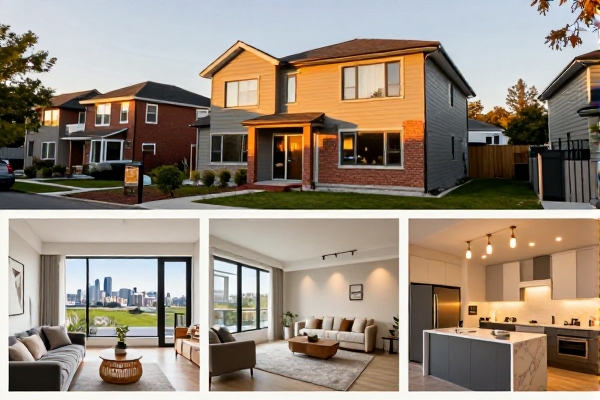
Once you find a suitable place, the application process begins. You will typically need to complete an application, pay an application fee, and provide documentation like proof of income, photo ID, and rental history. The landlord will likely run a credit and background check. Be prepared to pay a Security Deposit, which is a refundable amount held to cover any potential damages beyond normal wear and tear. Before signing, read the entire Lease Agreement carefully. This legally binding contract outlines the rights and responsibilities of both tenant and landlord, including rent due date, late fees, subletting rules, and maintenance obligations.
To secure your ideal rental property, start your search well in advance, be prepared with all necessary financial documents, and never sign a lease without understanding every clause. This proactive approach ensures you find a place that is not just a temporary shelter, but a true home.