Browse

Log in / Register
 Share

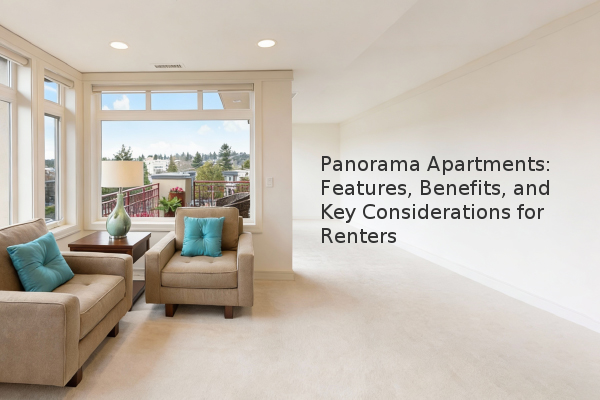
Panorama apartments, characterized by their expansive windows and sweeping views, represent a premium segment of the rental market that prioritizes natural light and scenic outlooks. These units, often located on higher floors of mid-rise or high-rise buildings, typically command a price premium of 10-20% over comparable standard units in the same property. The primary value proposition lies in the enhanced quality of life and psychological benefits associated with abundant daylight and connection to the outdoors, making them a sought-after choice for professionals and those valuing aesthetic appeal.
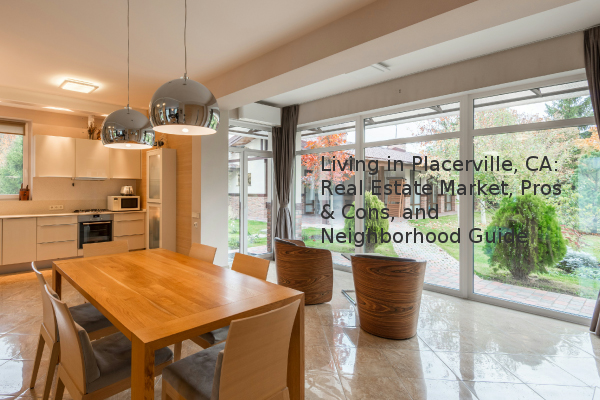
The term "panorama apartment" is not a strict legal or architectural classification but a marketing and descriptive term for a residential unit designed to maximize views. The key feature is the presence of large, often floor-to-ceiling windows that span a significant portion of an exterior wall. These windows are strategically positioned to offer unobstructed vistas of city skylines, waterfronts, mountains, or other desirable landscapes. Unlike a standard unit with smaller windows, a panorama apartment is engineered to make the view a central element of the living experience, effectively bringing the outside environment in.
The advantages extend beyond mere aesthetics. From a practical standpoint, the abundance of natural light can reduce reliance on artificial lighting during daylight hours, potentially leading to lower electricity costs. More significantly, studies have linked exposure to natural light and pleasing views to improved mental well-being, reduced stress levels, and increased productivity. For the real estate investor or owner, these units often demonstrate stronger rental retention and can be easier to lease in a competitive market, as the unique feature is highly differentiating.
Prospective renters must approach panorama apartments with a clear understanding of the financial implications. The view premium is a real and persistent cost factor. Additionally, units with extensive glass facades may have higher utility costs for heating and cooling due to less insulation compared to solid walls, a factor known as the thermal transfer rate. It is also crucial to inquire about the long-term development plans for the surrounding area; a current breathtaking view could be compromised by future construction. Always verify if the view is protected by any easements or zoning regulations.
| Cost Factor | Panorama Apartment | Standard Apartment | Note |
|---|---|---|---|
| Average Rent Premium | 10-20% Higher | Baseline | Varies by market and view quality |
| Potential Utility Cost | Moderate to High | Standard | Highly dependent on window efficiency |
| Rental Demand | Consistently Strong | Market Dependent | Can lead to faster leasing |
Finding the right unit requires a targeted strategy. When using online rental platforms, filter searches by keywords such as "skyline view," "waterfront," "corner unit," or "top floor." Be specific in your inquiries with leasing agents, asking not just if a unit has a view, but about the direction it faces and what specific landmarks or scenery are visible. Schedule viewings at different times of day to assess the impact of sun exposure (e.g., strong western afternoon sun) and to see the view both during daylight and at night. Finally, carefully review the lease agreement for any clauses related to balcony use or window treatments that might affect your enjoyment of the view.
In summary, while panorama apartments offer an unparalleled living experience, they require a balanced assessment of their higher costs and potential limitations. The decision ultimately hinges on the value an individual places on aesthetic appeal and natural light within their housing budget.