Browse

Log in / Register
 Share

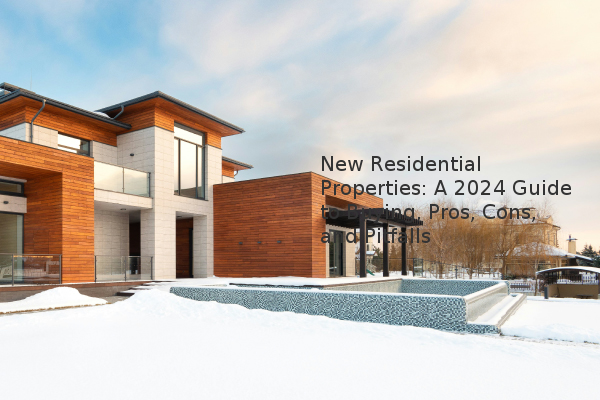
Purchasing a new residential property, often called a "new rez," is a significant decision that involves evaluating modern amenities against potential risks in a developing area. This guide provides an objective analysis for prospective buyers, focusing on the key advantages, financial considerations, and common pitfalls to avoid. The core conclusion is that while new construction offers contemporary features and warranties, it requires diligent research into the builder's reputation, community development plans, and understanding of additional costs not present in the resale market. Based on our assessment, a well-informed approach is crucial for a sound investment.
What are the Primary Advantages of a New Residential Property?
The appeal of a new residential home is clear. Buyers gain access to modern building codes, energy-efficient appliances, and the latest smart home technologies, which can lead to lower utility bills. A significant benefit is the builder's warranty, which typically covers structural defects and major systems for the first year, with longer protection on the structure itself. Furthermore, you have the opportunity to select certain finishes and customize the property before completion, creating a space that truly fits your preferences without the immediate need for renovations common with older homes. This can be a major advantage over competing in bidding wars for existing homes.
What are the Potential Pitfalls and Hidden Costs?
While attractive, new construction comes with unique challenges. A primary risk is construction delays, which can disrupt moving plans and potentially affect lock-in mortgage rates. It is essential to review the sales contract meticulously, as it may favor the builder. Pay close attention to clauses related to change orders, delays, and warranty claims. Unlike an established neighborhood, a new community may have ongoing construction for months or years, impacting noise levels and the final landscape. Additionally, property taxes can be reassessed post-purchase, often resulting in a higher tax bill than initially estimated.
Financial Considerations Beyond the Purchase Price
The financial planning for a new residential property extends beyond the sticker price. Buyers should budget for upgrades and optional features that are not included in the base price, which can significantly increase the total cost. It is also critical to secure your own financing; some builders have preferred lenders, but shopping around for a mortgage is always advisable. You will also need to account for costs like landscaping, window treatments, and a final home inspection by an independent, licensed inspector to ensure quality before closing. The following table outlines common additional costs:
| Expense Category | Estimated Cost Range | Purpose |
|---|---|---|
| Design Center Upgrades | $5,000 - $50,000+ | Premium flooring, cabinetry, etc. |
| Landscaping Package | $3,000 - $15,000 | Lawn, sprinklers, basic plants |
| Window Coverings | $2,000 - $8,000 | Blinds or shades for privacy |
| Higher Property Tax | Varies by locality | Post-construction reassessment |
Navigating the Purchase Process and Making an Informed Decision
The process begins with thorough research on the builder's history, including reviewing their past projects and speaking with current homeowners. Secure pre-approval for a mortgage to understand your budget and strengthen your position. When reviewing the contract, consider having a real estate attorney experienced in new construction review the terms. Before the final walk-through, insist on a professional inspection to identify any issues that need to be addressed by the builder under the warranty. This proactive approach helps mitigate risks and ensures the property meets agreed-upon standards.
In summary, purchasing a new residential property is a complex but potentially rewarding venture. The key to success lies in understanding the full scope of financial commitments, conducting rigorous due diligence on the builder and community, and protecting your interests with a thorough contract review and independent inspection. By focusing on these actionable steps, buyers can make a confident and informed decision.