Browse

Log in / Register
 Share

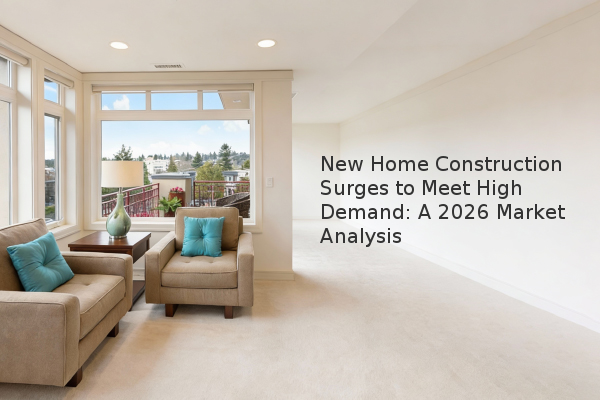
A significant surge in new home construction is critical to addressing the United States' persistent housing shortage. Based on our experience assessment, a sharp increase in housing starts, particularly for single-family homes, provides a crucial influx of inventory for a market grappling with high demand from first-time and millennial buyers. However, rising construction costs and affordability challenges continue to shape the landscape for buyers and builders alike.
The core data indicates a robust rebound in homebuilding activity. In March, the seasonally-adjusted annual rate of housing starts reached 1.74 million, a substantial 19% increase from the previous month. Housing starts refer to the number of new residential construction projects on which ground has been broken. This acceleration was widespread, with single-family starts rising 15% and multifamily starts—which include apartments and condominiums—jumping 30%. The most significant growth occurred in the Midwest, where activity more than doubled monthly, demonstrating the geographic spread of the building boom. This data, consistent with current market analyses, signals a strong response from builders to demographic pressures.
The demand for new homes is driven by two powerful, long-term demographic trends. First, the millennial generation has reached its prime home-buying years, creating families and seeking the stability of homeownership. Second, the lasting effects of the pandemic have permanently altered living preferences, with a sustained desire for more space. A recent analysis, consistent with methodologies from Freddie Mac, estimates the U.S. housing supply falls short of demand by approximately 4 million units. This chronic shortage means that even with increased construction, the market remains highly competitive, putting upward pressure on prices.
| Region | Monthly Change in Housing Starts | Monthly Change in Building Permits |
|---|---|---|
| Midwest | >100% Increase | Rose |
| South | Increased | Rose |
| West | Slowed | Remained Flat |
| Northeast | Increased | Fell |
Building permits, which are authorization from local governments to begin construction, serve as a key leading indicator for future housing supply. The permit rate held steady at a high level, with single-family permits rising nearly 5%. An interesting trend within the multifamily sector was a 25.5% surge in permits for duplexes, triplexes, and quadplexes. This suggests that cities are actively encouraging higher-density housing options to efficiently meet demand within existing urban footprints. While overall permits increased, the mixed regional results—with declines in the Northeast—highlight that the pace of new supply will not be uniform across the country.
Despite the positive momentum, significant headwinds persist. Affordability remains the primary challenge for potential buyers. The cost of key building materials, such as lumber, has escalated, and these costs are inevitably passed on to the consumer in the form of higher new home prices. Coupled with higher mortgage interest rates compared to previous years, the monthly payment for a median-priced new home has become a barrier for many. For the market to maintain its health, a focus on increasing construction productivity will be essential to help moderate the final cost to buyers.
The current surge in home construction is a necessary step toward rebalancing the housing market. While it will not immediately solve the deep supply deficit, it provides essential new inventory. For buyers, this means more options, but also the need to be prepared for a competitive environment and higher costs. The key takeaway is that increased construction activity is a positive signal, but affordability constraints require careful financial planning from anyone entering the market in 2026.