Browse

Log in / Register
 Share
Share
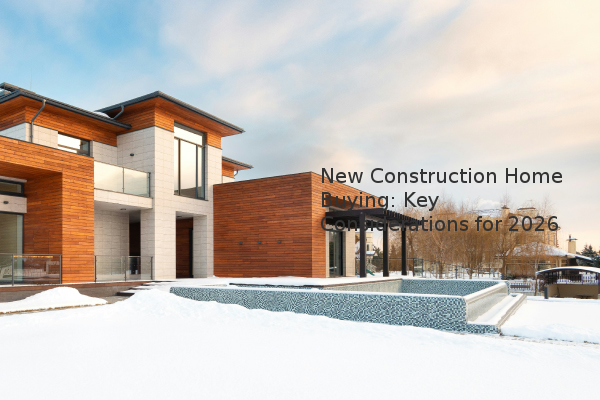
The decision to purchase a new construction home involves a distinct set of considerations compared to buying a pre-owned property. Based on our experience assessment, a successful purchase hinges on understanding builder contracts, navigating customization options, and conducting independent inspections. Focusing on these areas can help buyers secure a home that meets their long-term needs and financial goals.
What are the primary advantages of buying a new construction home? New construction homes offer several compelling benefits. The most significant is modern building codes and energy efficiency, which can lead to lower utility costs. Buyers also benefit from brand-new systems (HVAC, plumbing, electrical), which typically come with builder warranties, reducing immediate repair expenses. Furthermore, there is the opportunity for customization. During the building phase, buyers can often select finishes like flooring, cabinets, and countertops, creating a personalized space without the need for post-purchase renovations. This contrasts with older homes where such updates would be an additional cost and project.
What specific factors should you evaluate during a new build purchase? A thorough evaluation extends beyond the floor plan. Key elements to scrutinize include:
| Consideration | Key Question to Ask |
|---|---|
| Warranty Coverage | What specific systems (roof, structure, appliances) are covered and for how long? |
| HOA Rules & Fees | Are there restrictions on landscaping, fencing, or exterior paint colors? What are the monthly fees? |
| Future Development | What is the builder's plan for the surrounding land? A beautiful view could be lost to new construction. |
How does the buying process differ from a traditional home sale? The process is often more complex. Instead of negotiating primarily with a seller, you are working with a builder's sales representative. The purchase contract is heavily weighted towards the builder, so hiring a real estate attorney to review it is a prudent step. Financing can also be different; some builders require pre-approval with their preferred lender. While this may come with incentives, it's wise to compare rates with independent lenders. Additionally, closing dates are frequently delayed due to construction timelines and supply chain issues, so buyers should build flexibility into their moving plans.
What are the potential drawbacks or hidden costs? While attractive, new construction has potential pitfalls. The initial price may not include essential features like landscaping, window treatments, or a fence, leading to unexpected out-of-pocket expenses after moving in. There's also the risk of the community not developing as promised if the builder sells out or market conditions change. Finally, property taxes are often assessed on the vacant land value initially, but will be reassessed after the home is completed, leading to a significant tax increase in the second year of ownership.
To make an informed decision, focus on three key actions: hire an independent home inspector to assess the construction at critical stages, meticulously review all contract documents including the fine print on warranties and change orders, and secure financing with a buffer for potential cost overruns or delays. Understanding the full scope of the process empowers buyers to navigate the purchase of a new construction home confidently.