Browse

Log in / Register
 Share

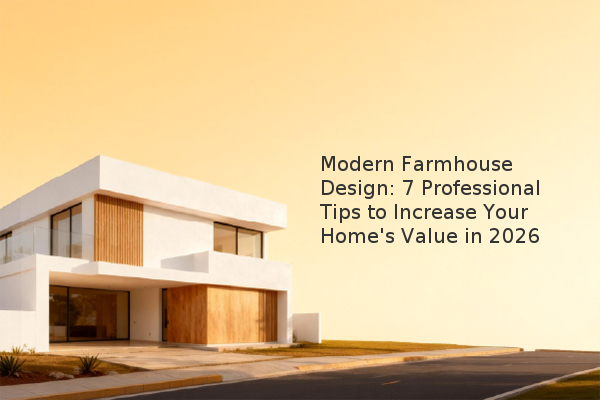
Modern farmhouse design, popularized by figures like Chip and Joanna Gaines, continues to be a significant trend for homeowners seeking to enhance their property's appeal and value in 2026. Based on our experience assessment, integrating key elements of this style can yield a strong return on investment (ROI). The core strategy involves blending classic architectural charm with contemporary finishes, a approach that appeals to a broad buyer demographic. This article outlines seven professional tips derived from proven design principles.
The strategic use of shiplap remains one of the most recognizable and valuable features. Shiplap refers to wooden boards that interlock with rabbeted edges, creating distinctive horizontal or vertical lines. Originally used as a practical underlayer for siding, it is now a sought-after design element for interior walls and ceilings. Installing shiplap in key areas like a living room accent wall or a porch ceiling can add significant character. According to recent remodeling impact reports, aesthetic upgrades that enhance character can positively influence a home's appraisal value.
A fundamental principle of the modern farmhouse style is honoring a property's original character. Preserving historical elements like original moldings, fireplaces, and built-in cabinetry is crucial. For example, refinishing an original oak dish hutch instead of replacing it maintains a connection to the home's past. When updating, choose complementary materials; using patterned floor tile as a new kitchen backsplash alongside the preserved hutch creates a layered, authentic look. This balance demonstrates care and quality to potential buyers.
The essence of modern farmhouse is the fusion of eras. The most effective method is to complement classic features with sleek, contemporary materials. Pair shiplap walls and neutral color palettes with modern elements like black iron light fixtures, concrete accents, and minimalist hardware. This contrast prevents the design from feeling dated or overly sterile. The goal is to create a space that feels both warm and inviting yet clean and current, a combination highly prized in the 2026 real estate market.
For a fresh take on bathrooms, consider poured concrete for shower floors and countertops instead of standard tile. Concrete offers a smooth, continuous surface that is easy to clean due to the lack of grout lines. To prevent the space from feeling cold, warm up the concrete with natural elements. Installing cabinets in a warm blond wood tone introduces balance. This approach is not only stylish but also highly practical for family homes, adding a unique selling point.
While concrete is durable and modern, it can feel cold underfoot. In spaces like a converted garage or basement, applying a specialized concrete paint in a warm gray hue can instantly improve the ambiance. For added comfort and visual warmth, layer a large, durable area rug over the painted surface. This solution is both cost-effective and transformative, turning a utilitarian space into a comfortable living area, which can increase the functional square footage of your home.
Effective lighting is key to home staging. A professional technique to amplify light without additional electrical work is strategic placement in front of mirrors. Hanging two modern pendant lights directly in front of a large, wall-to-wall mirror will create a reflection that effectively doubles the number of visible lights and significantly boosts illumination. This simple trick makes bathrooms and hallways feel larger and brighter, a major plus during home showings.
Incorporating personal elements can make a house feel like a home, but it's important to do so subtly. Instead of large, personalized monograms, consider using meaningful numbers or symbols in a reversible way. For instance, address numbers displayed in a stylish font or the number of children in the family represented by a set of wall hooks can add personality without being overly specific. This allows potential buyers to still envision themselves in the space.
To maximize your home's value, focus on updates that blend timeless charm with modern functionality. Preserving original character while introducing durable, contemporary materials creates a compelling profile for buyers. Prioritize projects with clear aesthetic and practical benefits, ensuring your investment enhances both your living experience and your property's marketability.