Browse

Log in / Register
 Share

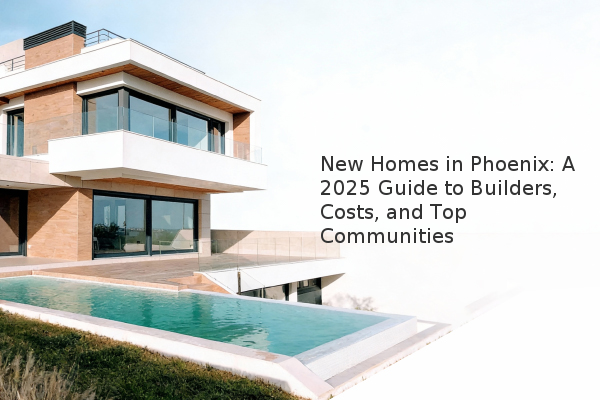
The Phoenix new home market in 2025 offers a dynamic landscape for buyers, characterized by competitive pricing from national and local builders, a focus on energy-efficient designs, and growth in several master-planned communities. Based on our experience assessment, the key to a successful purchase lies in understanding the current market trends, builder reputations, and the total cost of ownership beyond the base price.
Understanding the Phoenix New Construction Market The metropolitan Phoenix area continues to be a hotspot for residential development. New home construction is concentrated in expanding suburbs, offering a range of styles from single-family detached homes to attached townhomes. A master-planned community is a large-scale residential development that includes not only homes but also amenities like parks, schools, and shopping centers. These communities are particularly popular in areas like Queen Creek, Gilbert, and Buckeye. When evaluating new homes, it's crucial to consider the builder's track record for quality and timely completion, especially in a market that can be influenced by supply chain dynamics.
Top Home Builders and What to Expect Phoenix is home to a competitive mix of national production builders and local custom home specialists. Production builders often have multiple communities with a selection of pre-designed floor plans, allowing for some customization. Custom builders, on the other hand, typically work on a buyer's specific lot and create a unique home design. When comparing builders, look beyond the model home's aesthetics. Inquire about the standard appliance packages, flooring materials, and energy efficiency features included in the base price. Upgrades can significantly increase the final cost, so obtaining a detailed list of standard inclusions is a critical first step.
Breaking Down the Costs of a New Home The advertised base price is just the starting point. The total cost will include lot premiums (for a desirable location within the community), structural upgrades (like adding a bedroom or extending the garage), and design center selections for finishes. Additionally, buyers must budget for closing costs, which can include lender fees, title insurance (a policy that protects the homeowner and lender against losses from disputes over the property's ownership), and prepaid items like property taxes and homeowners insurance. It's also wise to inquire about any CDD fees (Community Development District fees) or HOA fees (Homeowners Association fees) that will be a recurring annual or monthly expense.
| Cost Category | Estimated Range | Details |
|---|---|---|
| Base Home Price | $400,000 - $700,000+ | Varies significantly by location, size, and builder. |
| Lot Premium | $10,000 - $50,000+ | Cost for a preferred lot location (e.g., backing to a park). |
| Design Upgrades | $20,000 - $100,000+ | Cost for flooring, cabinets, countertops, and appliances beyond standard options. |
| Closing Costs | 2% - 5% of Loan | Includes lender fees, title insurance, and prepaid taxes/insurance. |
Choosing the Right Phoenix Community Your choice of community will greatly impact your lifestyle. Factors to consider include proximity to employment centers like the Phoenix Central Corridor or the expanding tech sector in Tempe, school district ratings, and access to recreational amenities. The Valley Metro light rail system continues to expand, making some communities more accessible for commuters. Spend time driving through different neighborhoods at various times of the day to gauge traffic patterns and the overall feel of the area. Research future development plans for the area to understand how it might change over the next five to ten years.
The New Home Buying Process The process typically begins with pre-approval from a lender. This step clarifies your budget and strengthens your position when working with a builder's sales representative. Once you select a floor plan and lot, you'll enter into a purchase contract. It is highly recommended to hire a real estate agent who has experience with new construction; their representation is typically paid for by the builder and they can provide invaluable guidance during inspections and negotiations. Key stages include a pre-drywall inspection (to review the framing, electrical, and plumbing before walls are closed) and a final walk-through before closing to identify any items that need correction.
In summary, successfully navigating the market for new homes in Phoenix requires a strategic approach. Key takeaways include: thoroughly researching builder reputations, budgeting for all potential costs beyond the base price, and securing independent representation with a buyer's agent. By focusing on these areas, you can make a well-informed decision on one of the most significant investments you'll make.