Browse

Log in / Register
 Share

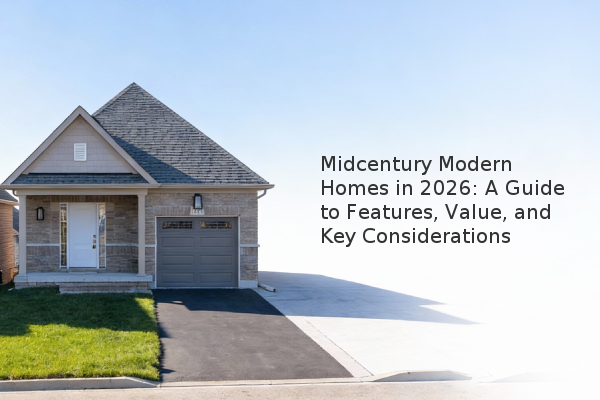
Midcentury modern homes remain a highly sought-after architectural style in the 2026 real estate market, prized for their timeless design, investment potential, and unique connection between indoor and outdoor living. Based on our experience assessment, well-preserved or architecturally significant properties can command premium prices, while updated versions offer a blend of classic style and modern convenience. This guide explores the defining characteristics of these homes and key considerations for potential buyers.
What Defines a Midcentury Modern Home? Midcentury modern architecture, which flourished from the mid-1940s to the late 1970s, is characterized by a focus on simplicity and integration with nature. Key features include clean lines, flat or low-sloping roofs, and open floor plans that promote a fluid living space. A hallmark of the style is the extensive use of oversized windows and walls of glass, designed to seamlessly transition the interior to the outdoors. Natural materials like wood and stone are prevalent, often showcased through exposed beams, wood-clad walls, and terrazzo or cork flooring. Homes designed by renowned architects like Richard Neutra or Pierre Koenig often carry significant historical and monetary value due to their iconic status.
What Should Buyers Look for in a Midcentury Modern Property? When evaluating a midcentury modern home, condition and authenticity are paramount. Buyers should prioritize the integrity of original features, as these are central to the home's character and value. Key elements to assess include:
Are Midcentury Modern Homes a Good Investment in 2026? Current market analysis suggests that demand for distinctive, well-designed homes remains strong. Midcentury modern properties, particularly those with architectural pedigree or in excellent original condition, are often seen as stable investments due to their enduring appeal. Their scarcity compared to more common suburban builds can also contribute to value retention. However, potential maintenance costs for unique features should be factored into the investment decision. Prospective buyers should secure a specialized home inspection to identify any issues with period-specific construction elements.
A Look at Market Examples To illustrate the market, here are examples of midcentury modern homes listed in early 2026. These highlight the range of options, from pristine originals to contemporary interpretations.
| Location & Details | Price | Key Features |
|---|---|---|
| Pekin, IL - 1962 Lakefront Ranch | $795,000 | 9,744 sq ft, 7 bedrooms, original beams, vaulted ceilings, expansive glass. |
| Beaumont, CA - New Construction (2021) | $619,899 | 2,226 sq ft, 55+ community, midcentury-inspired design, modern amenities. |
| Castle Hills, TX - 1956 Architect-Designed | $579,000 | 2,720 sq ft, original terrazzo floors, wood paneling, Bernard Harris design. |
| Austin, TX - 1974 Remodeled Home | $449,000 | 1,309 sq ft, updated primary suite, vaulted ceilings, floor-to-ceiling fireplace. |
| Jacksonville, FL - 1953 Home with Carport | $355,000 | 1,333 sq ft, butterfly roof, split floor plan, original 1950s-style bathroom. |
Conclusion: Key Takeaways for Your Search Purchasing a midcentury modern home is a unique opportunity to own a piece of design history. To make an informed decision, focus on the property's condition and the preservation of its original character. Always invest in a thorough inspection to understand potential maintenance needs for specialized features like flat roofs and large windows. Furthermore, working with a real estate agent experienced in architecturally significant properties can provide invaluable guidance. Ultimately, the right midcentury modern home offers a timeless living experience that continues to captivate buyers.