Browse

Log in / Register
 Share


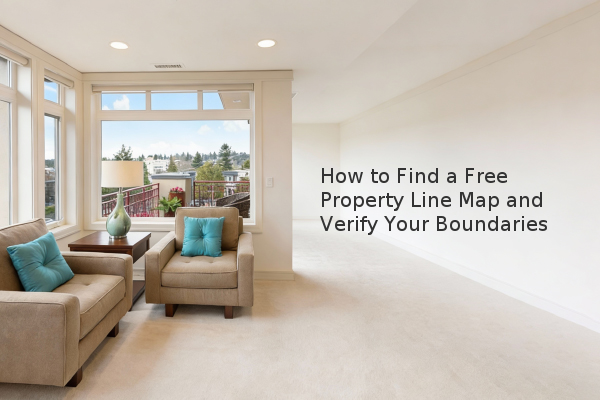
Homes with high ceilings command a significant price premium, often increasing a property's value by 50% or more compared to standard 8-to-9-foot ceilings. This premium is driven by the perception of spaciousness, luxury, and volume, making ceiling height a critical factor in luxury real estate valuation. Based on market data and expert analysis, the value increase is most pronounced for ceilings between 12 and 15 feet.
The correlation between ceiling height and price per square foot is well-documented. An analysis of over 2,300 luxury condos revealed that raising ceiling height to 10 or 11 feet from the standard range correlated with an average 50% jump in the listing price per square foot. The premium peaks for ceilings between 12 and 15 feet, which can see an average value increase of 76%. While ceilings higher than 15 feet still command a premium—around 28%—the increase is less dramatic, often because these are found in older buildings with fewer modern amenities. This data underscores that buyers are not just paying for square footage but for cubic footage, assigning tangible value to volume and a sense of openness.
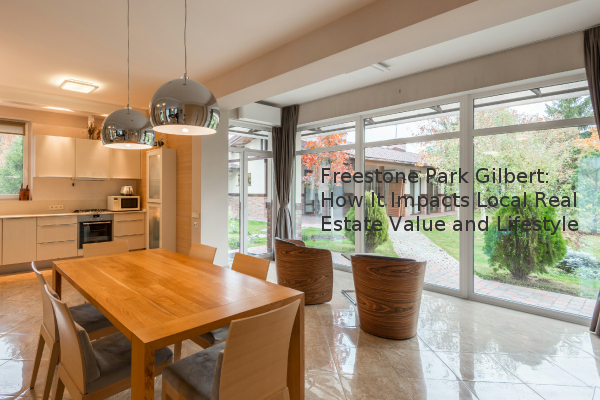
The appeal is both psychological and practical. High ceilings create a feeling of grandeur and abundance, which is a hallmark of luxury properties. They allow for larger, floor-to-ceiling windows that flood a space with natural light and offer unobstructed views, features highly sought after in urban markets. Furthermore, this vertical space provides greater flexibility for interior design, accommodating statement light fixtures, extensive art collections, and custom-built furniture that would overwhelm a standard room. As one industry expert notes, the value is also bolstered when high ceilings are part of a package that includes other high-end amenities, enhancing the overall desirability of the home.
While desirable, high ceilings are not without challenges. The initial construction cost is higher; experts estimate that every additional foot in ceiling height can cost a builder 5% to 10% more due to increased materials and structural requirements. For homeowners, practical issues include higher heating and cooling costs due to the larger air volume and the logistical difficulty of changing light bulbs or cleaning windows. In smaller apartments, excessively high ceilings can sometimes feel disproportionate or even create a cavernous, claustrophobic effect if not balanced with adequate square footage and intelligent lighting design. It's crucial to assess the proportion of the entire space.
High ceilings are a relatively rare feature, which enhances a property's uniqueness and marketability. In cities with restrictive building codes that often limit new construction to 9-foot ceilings to maximize unit density, properties with 11-foot or higher ceilings immediately stand out. This rarity factor creates a strong competitive advantage in a crowded market. However, the feature must be integrated into a well-designed space. A poorly lit apartment with tall ceilings may languish on the market, as evidenced by cases where only units with both high ceilings and excellent natural light sell quickly. The investment pays off most when the volume is harmonized with modern amenities and a functional layout.
In summary, the data confirms that high ceilings are a sound investment for luxury properties, directly boosting value. For buyers, prioritizing ceilings between 10 and 15 feet may offer the best return. For sellers, highlighting this feature and ensuring the space is well-lit and properly scaled is critical to realizing the full premium. The key takeaway is that in real estate, volume is as valuable as area.