Browse

Log in / Register
 Share
Share
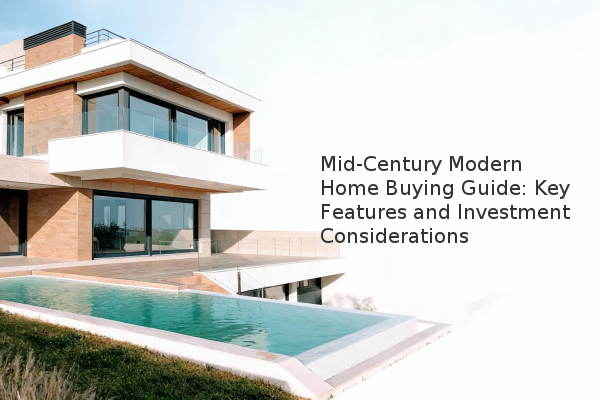
Mid-century modern homes, a style popularized from the mid-1940s to the late 1960s, offer a unique blend of aesthetic appeal and functional design. For buyers, understanding the defining characteristics, potential maintenance considerations, and market value of these properties is crucial for a sound investment. The core appeal of a mid-century modern home lies in its integration with nature, clean lines, and open floor plans, but purchasing one requires a specialized inspection to address aging components.
Mid-century modern architecture is characterized by several key elements. These homes typically feature flat or shallow-pitched roofs, expansive glass windows, and an emphasis on bringing the outdoors in. The layout is often an open floor plan, a design concept that minimizes the use of small, enclosed rooms in favor of a more fluid living space. The aesthetic prioritizes simplicity and functionality, with a common use of natural materials like wood and stone. Based on our experience assessment, authentic mid-century modern homes built in the 1950s and 60s may have specific maintenance needs related to their original materials, such as single-pane glass or particular plumbing systems, which a general home inspection might not fully cover.
A standard home inspection is vital, but for a mid-century modern property, you should consider a specialist evaluation. Focus areas include the foundation, roof, and original systems. Many of these homes feature post-and-beam construction, which is generally robust but can be susceptible to issues if the foundation has shifted over decades. The flat or low-slope roofs, while iconic, require diligent maintenance to prevent water pooling and leaks. Furthermore, original electrical wiring and plumbing may not meet current codes and could represent a significant future expense. We recommend hiring an inspector familiar with vintage properties to assess these critical components thoroughly before finalizing a purchase.
The value proposition of a mid-century modern home is often strong, particularly in markets with high demand for architecturally significant properties. Their timeless design continues to attract buyers, which can lead to stable or appreciating values. However, the investment return is closely tied to the property's condition and the degree to which updates have been sympathetic to the original design. A poorly executed renovation can significantly detract from the value. According to recent market analysis, well-preserved or thoughtfully updated mid-century modern homes in desirable locations can command prices well above the local average for similar-sized properties. It's essential to review comparable sales in the specific neighborhood to understand the current market price.
Financing a mid-century modern home follows the same primary pathways as any other residential property, including conventional loans and government-backed mortgages. However, if the home is considered unique or requires significant work, it might not meet the strict appraisal standards for a standard loan. In such cases, a renovation loan, such as a FHA 203(k) loan, could be a viable option. These loans combine the purchase price and renovation costs into a single mortgage. Your mortgage lender will be able to advise on the best product based on the property's condition and appraised value.
Purchasing a mid-century modern home is a decision that balances passion for design with practical investment sense. Focus on a specialized inspection to uncover potential issues with aging roofs and systems. Understand that updates should preserve the home's architectural integrity to maintain its value. Finally, secure financing that accounts for the property's unique characteristics and any necessary renovations. By following these steps, you can make an informed decision about owning a piece of architectural history.