Browse

Log in / Register
 Share
Share
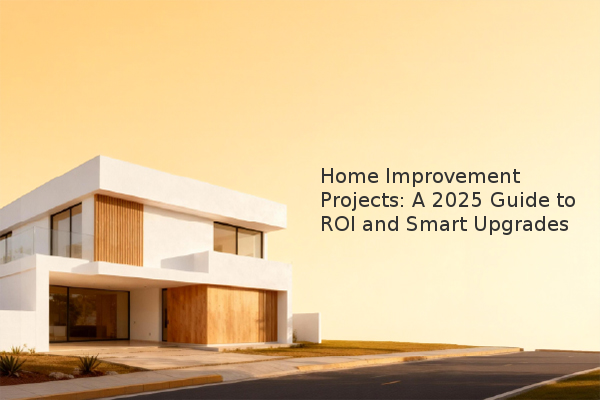
In 2025, strategic home improvement projects can yield an average return on investment (ROI) of 60-70%, with minor kitchen remodels and manufactured stone veneer installations leading as top-value upgrades. Focusing on repairs, curb appeal, and energy efficiency offers the most predictable value retention, while highly personalized luxury renovations often see a lower financial return. This guide provides a data-driven assessment to help you prioritize projects that enhance your home's value and livability.
Not all upgrades are created equal. Industry data from the last year consistently shows that projects strengthening the home's exterior and core functionality provide the most reliable ROI. Curb appeal projects remain paramount, as they form a potential buyer's first impression. A fresh coat of exterior paint, a new garage door, or enhancing your landscaping are high-impact, relatively low-cost endeavors. For example, replacing an old garage door can recoup over 90% of its cost at resale. The key is to make improvements that are desirable to a broad audience rather than catering to niche tastes.
Minor kitchen remodels are another powerhouse, often yielding an ROI between 70-80%. This does not mean a full gut renovation. Instead, it involves strategic updates like refacing cabinets with new shaker-style doors, upgrading to energy-efficient stainless steel appliances, replacing worn countertops with quartz, and installing a new backsplash. The goal is to modernize the space without over-improving relative to the neighborhood's average home value. A full, high-end kitchen renovation typically sees a lower ROI because the investment is harder to recoup fully.
Effective budgeting requires categorizing projects based on their purpose and potential payback. We can break them down into three main categories:
| Project Category | Typical Cost Range | Primary Goal | Ideal Funding Source |
|---|---|---|---|
| Essential Repairs (e.g., roof leak, HVAC) | $500 - $15,000+ | Protect home value | Savings, home equity |
| Value-Add Upgrades (e.g., bathroom update, siding) | $5,000 - $35,000 | Increase resale value | Savings, HELOC |
| Lifestyle Improvements (e.g., pool, luxury patio) | $15,000 - $100,000+ | Enhance personal enjoyment | Personal savings |
Essential repairs are non-negotiable. Fixing a faulty electrical panel or a leaking roof protects your investment from further damage and is a prerequisite for any future sale. Value-add upgrades should be weighed against your local real estate market; spending $50,000 on a kitchen in a neighborhood where it won't significantly boost your home's appraised value is an over-improvement. Lifestyle improvements should be undertaken primarily for your own enjoyment, with a clear understanding that they may not provide a full financial return.
One of the biggest mistakes is failing to obtain the proper permits. A permit is official permission from your local government to proceed with a construction project, ensuring it meets safety and zoning codes. Unpermitted work can derail a future sale, as it may require expensive remediation or even reversal of the work. Always check with your local building department before starting. Another pitfall is choosing the lowest bidder for contractor work without thorough vetting. A significantly low bid can indicate inexperience, the use of subpar materials, or potential cost overruns later.
Underestimating the timeline and disruption of a project is also common. A bathroom remodel might take 2-4 weeks, during which the space is unusable. Proper planning includes setting up a temporary alternative and building a buffer into your schedule for unforeseen delays. Finally, over-customizing a space with bold design choices can limit its appeal. While you should enjoy your home, opting for trendy but polarizing colors or layouts can make it harder to sell later.
Start with a thorough home assessment. Identify any deferred maintenance—postponed repairs on home systems—that could lead to bigger problems. Then, prioritize projects that improve energy efficiency, such as adding attic insulation or sealing air ducts, as they offer immediate utility bill savings and appeal to today's cost-conscious buyers. Next, focus on high-ROI cosmetic updates in key areas like the kitchen and primary bathroom. Finally, consider the lifestyle projects you desire, funding them after the more critical and valuable upgrades are complete.
To maximize your investment: prioritize essential repairs first, focus on curb appeal and kitchen/bath updates for the best ROI, and always obtain proper permits. By taking a strategic, data-informed approach, your home improvement projects in 2025 will enhance your daily life while solidifying your property's market value. Always base your final decisions on recent local market data and professional consultations.