Browse

Log in / Register
 Share

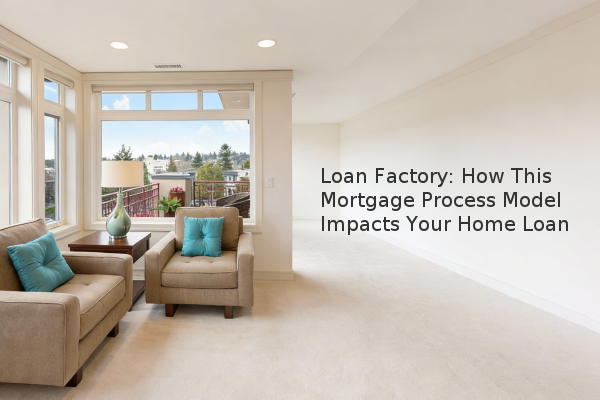
A Loan Factory is a term used to describe a high-volume mortgage lender that utilizes a highly systematized, assembly-line-like process for loan origination. This operational model is designed for efficiency and scalability, which can significantly impact the speed, cost, and overall experience of securing a home loan. For borrowers, understanding this model is key to determining if it aligns with their financial needs and service expectations when navigating the US real estate market.
The core advantage of a loan factory approach is its potential for accelerated processing times. By standardizing each step of the mortgage application—from initial underwriting to final approval—these lenders can often process loans faster than smaller, local banks or credit unions. This efficiency is primarily achieved through advanced technology platforms that automate document collection and verification. For a home buyer in a competitive market, a quicker closing period can be a decisive factor in having an offer accepted. However, this speed often comes with a trade-off in personalized service.
What are the typical advantages and disadvantages for a borrower? The most significant benefit is often competitive pricing. Due to their high volume, loan factories can operate on thinner margins, potentially offering lower interest rates or reduced origination fees. This can translate into substantial savings over the life of a loan. The primary drawback is the potential for a less flexible and personalized experience. Borrowers with complex financial situations, such as those who are self-employed or have unique income sources, may find the rigid, one-size-fits-all underwriting criteria challenging. Communication can sometimes be less accessible compared to a dedicated loan officer at a local institution.
| Aspect | Potential Advantage | Potential Disadvantage |
|---|---|---|
| Speed | Faster processing and closing | Less time for complex case review |
| Cost | Competitive rates and fees | Fees may have less room for negotiation |
| Service | Streamlined, tech-driven interface | Limited personalized guidance |
How does technology integrate into the loan factory model? Technology is the backbone of the loan factory. These lenders invest heavily in digital application portals, automated underwriting systems, and secure document upload features. This allows borrowers to complete much of the process online at their convenience. The automation helps reduce human error and can provide real-time status updates. While this is efficient, it can sometimes lead to frustrations if an application hits a snag that requires human intervention, as reaching a specific underwriter or specialist might be more difficult.
Based on our experience assessment, the loan factory model is best suited for borrowers with straightforward financial profiles, such as W-2 employees with strong credit scores seeking conventional loans. It may be less ideal for those who anticipate needing extensive hand-holding or who have non-standard income verification needs. When considering a lender, it's crucial to evaluate your personal priorities: is the lowest possible rate and fastest timeline more important than a highly personalized advisory relationship?
Ultimately, the effectiveness of a loan factory depends on the borrower's individual circumstances. Obtaining quotes from multiple lender types, including a high-volume loan factory, a local bank, and a credit union, provides a comprehensive view of available options. Carefully compare the Loan Estimate forms provided by each lender, paying close attention to interest rates, annual percentage rate (APR), and all closing costs. This due diligence ensures you select a mortgage partner that best meets your financial goals and service expectations.