Browse

Log in / Register
 Share

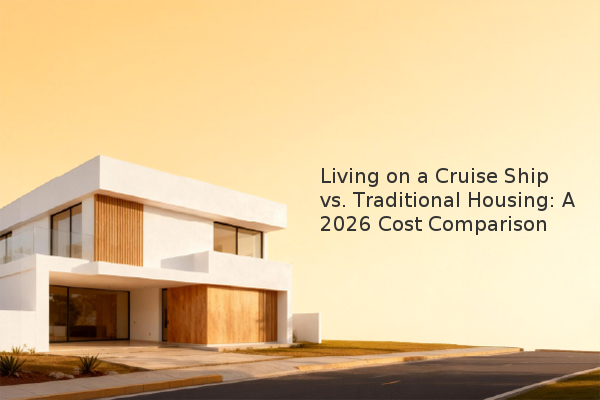
For individuals seeking a radical alternative to soaring housing costs, living full-time on a cruise ship can be a financially viable option, with some residents reporting monthly expenses comparable to or even lower than traditional rent or mortgage payments. Based on our experience assessment, this lifestyle choice hinges on leveraging employee benefits or securing long-term travel deals, transforming a luxury vacation into a permanent residence. This article explores the practicalities and financial implications of choosing life at sea over land-based housing.
What Are the Financial Benefits of Cruise Ship Living?
The most significant advantage is the potential for drastic cost reduction on essential living expenses. For crew members and their families, like the individual profiled in the original source, costs for accommodation and food are often fully covered. This elimination of major monthly bills—rent, utilities, and groceries—can result in substantial savings. Even for non-employee residents who purchase long-term cruise packages, expenses can be surprisingly competitive. Some full-time cruisers report monthly all-inclusive costs, including food, cleaning, and amenities, ranging from approximately $3,000 to $5,000. When compared to the median rent for a one-bedroom apartment in many major U.S. cities, which often exceeds $2,500 plus utilities and groceries, the cruise model can present a compelling financial case, especially when entertainment and travel are factored into the value.
What Are the Key Considerations Before Choosing This Lifestyle?
Adopting a nomadic life at sea requires careful planning beyond the initial price tag. A primary consideration is stability. Unlike a traditional Freehold property (a type of ownership where you own the building and the land it sits on indefinitely), your residence is constantly moving. This lifestyle may not be suitable for those with commitments to local jobs, schools, or communities. Furthermore, while basic living costs are covered, additional expenses like onboard shopping, premium drinks, and spa services can add up, though they are often available at a discount for long-term residents. Internet connectivity, a modern necessity, can be expensive and unreliable at sea, posing a challenge for remote workers. It's crucial to view this not as a direct replacement for property ownership but as an alternative lifestyle with its own unique set of rules and limitations.
How Does This Compare to Downsizing or Relocating?
Choosing a cruise ship over a house is an extreme form of downsizing. It forces a minimalist approach to personal belongings, as cabin space is limited. This contrasts with relocating to a more affordable real estate market within the United States, where you might purchase a Condo (a privately owned individual unit within a community of other units) with more space but still face property taxes and maintenance fees. The cruise lifestyle exchanges the equity-building potential of real estate ownership for experiential value. Instead of investing in a property that may appreciate, your financial outlay provides a continuous travel experience. The decision ultimately rests on personal priorities: building long-term wealth through property or maximizing immediate life experiences.
What Practical Steps Are Involved in Transitioning to Life at Sea?
Transitioning requires a methodical approach. First, conduct thorough financial modeling. Compare your current total housing costs against quoted long-term cruise rates. Second, research cruise lines that offer extended stays or residential packages. Not all are designed for full-time living. Third, address logistical essentials: securing mail forwarding services, managing healthcare needs while traveling internationally, and ensuring a stable remote income if you plan to work. It is also advisable to take a series of shorter cruises to test your adaptability to the confined space and routine before committing to a full-time lifestyle. Based on our experience assessment, a trial period is the most effective way to gauge long-term suitability.
Conclusion
While not for everyone, living on a cruise ship full-time presents a unique alternative to conventional housing in 2026. The key takeaways are:
For those with the flexibility and desire for adventure, this lifestyle can offer a compelling solution to modern housing challenges.