Browse

Log in / Register
 Share

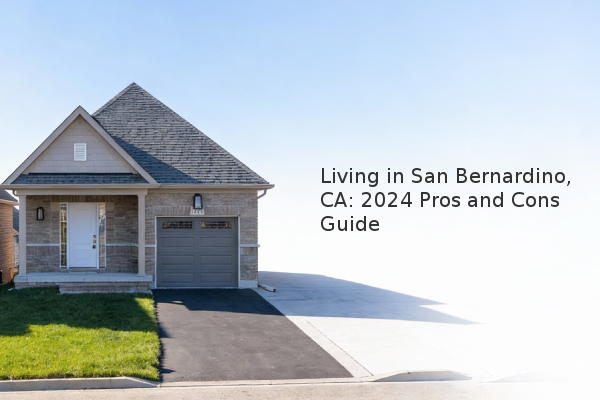
San Bernardino, California, presents a mix of affordability and outdoor access alongside challenges like a competitive job market and extreme heat. Nestled in the Inland Empire, this city attracts those seeking a lower cost of living than coastal California metros. This guide analyzes key factors—from housing costs to commute times—to help you determine if San Bernardino aligns with your lifestyle and financial goals. Based on our experience assessment, the city's viability depends heavily on your profession, tolerance for heat, and transportation needs.
San Bernardino’s most significant advantage is its affordable cost of living relative to much of California. While the state median home price exceeds $800,000, the median home sale price in San Bernardino is often significantly lower. This affordability extends to rental costs, making it a potential option for first-time homebuyers and budget-conscious individuals. Daily expenses for groceries and utilities also tend to be more manageable than in Los Angeles or Orange County. For those priced out of coastal markets, San Bernardino offers a pathway to homeownership.
A primary challenge is the local job market, which is less diverse and robust than in larger economic hubs. Key employment sectors include logistics, healthcare, and public service. However, based on our experience assessment, many residents commute to neighboring cities like Riverside or Orange County for work. This reliance on commuting intensifies traffic congestion, particularly on Interstate 10 and Highway 215. The limited local job opportunities mean prospective residents should secure employment or be prepared for a potentially lengthy commute before moving.
San Bernardino provides exceptional access to outdoor recreation, which is a major draw for nature enthusiasts. The city is a gateway to the San Bernardino National Forest, offering hiking, camping, and skiing in the winter months. Beyond nature, the city hosts cultural events that reflect its diverse community heritage. However, residents should be aware of extreme summer weather, with temperatures frequently exceeding 100°F, which can limit outdoor activities and increase cooling costs. While amenities like parks and community facilities are available, the air quality can be a concern due to the region's geography and industrial activity.
Public transportation options are limited, creating a high dependency on personal vehicles. The city’s Walk Score and Transit Score are typically low, meaning most errands require a car. This reliance on cars contributes to the noted traffic congestion and environmental concerns. For those without reliable private transportation, navigating the city can be challenging. The infrastructure is primarily designed for vehicular traffic, with limited pedestrian-friendly or bike-friendly pathways.
In conclusion, deciding to live in San Bernardino involves weighing clear trade-offs.