Browse

Log in / Register
 Share

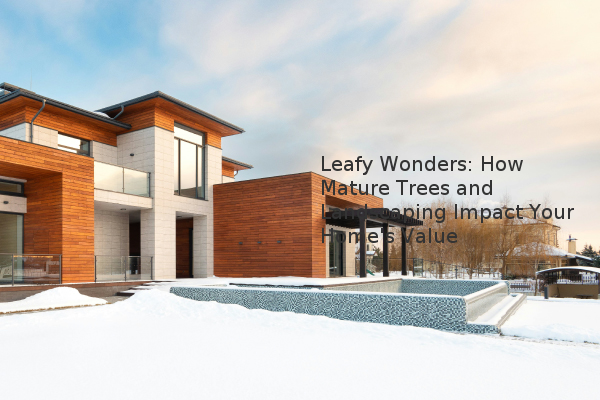
Homes with mature trees and professionally designed landscaping, often referred to as "leafy wonders" by real estate professionals, can see a significant increase in property value, often by as much as 10-20%. This premium is attributed to enhanced curb appeal, which is the attractiveness of a property when viewed from the street, and tangible benefits like energy savings and improved outdoor living space. For both buyers and sellers, understanding the value of these green assets is crucial for making informed real estate decisions.
The financial benefit of mature trees is well-documented. According to industry assessments, a single, healthy, mature tree can add between $1,000 and $10,000 to a property's value, depending on its species, size, location, and condition. This value is not merely aesthetic. Deciduous trees (trees that lose their leaves seasonally) planted on the south and west sides of a home can provide shade in the summer, reducing air conditioning costs by up to 30%. Conversely, in the winter, after they shed their leaves, they allow sunlight to warm the home. Evergreen trees can serve as windbreaks, lowering heating costs during colder months. The table below illustrates a simplified value assessment based on tree maturity:
| Tree Maturity Level | Estimated Value Contribution | Key Benefits |
|---|---|---|
| Sapling | Minimal immediate value | Long-term investment |
| Semi-Mature | $1,000 - $3,000 per tree | Established curb appeal, moderate shade |
| Fully Mature | $5,000 - $10,000+ per tree | Maximum shade, energy savings, privacy |
Beyond individual trees, a cohesive landscaping design acts as a powerful marketing tool. A well-maintained yard creates a strong first impression, signaling to potential buyers that the property has been cared for meticulously. This perceived lower maintenance can make a home more attractive compared to a property with overgrown or barren outdoor spaces. Professional landscaping goes beyond basic lawn care; it includes the strategic use of plants, hardscaping (non-plant elements like patios and walkways), and lighting to create defined outdoor "rooms." This expands the functional square footage of the property, appealing to buyers who value entertaining or relaxing outdoors. Based on our experience assessment, the return on investment for landscaping upgrades often exceeds that of many interior renovations.
You don't need a massive budget to boost your property's green appeal. Focus on high-impact, low-cost improvements first. Tree trimming to remove dead or dangerous limbs is essential for safety and plant health. Adding a layer of fresh mulch to garden beds instantly creates a neat, unified look and helps retain soil moisture. Planting perennial flowers or native shrubs can add color and texture without the annual expense of replanting. For sellers, a primary focus should be on staging the outdoor area. A clean patio with a modest set of furniture and potted plants helps buyers visualize themselves enjoying the space. These strategies enhance the property's marketability without a significant financial outlay.
In summary, the "leafy wonders" on a property are more than just decoration; they are valuable assets. For sellers, highlighting these features in listings can justify a higher asking price. For buyers, a home with established trees and landscaping represents immediate savings on energy bills and a ready-made, beautiful environment. Prioritize the health of mature trees, invest in cohesive landscape design for the highest return, and focus on simple, cost-effective staging to maximize curb appeal.