Browse

Log in / Register
 Share
Share
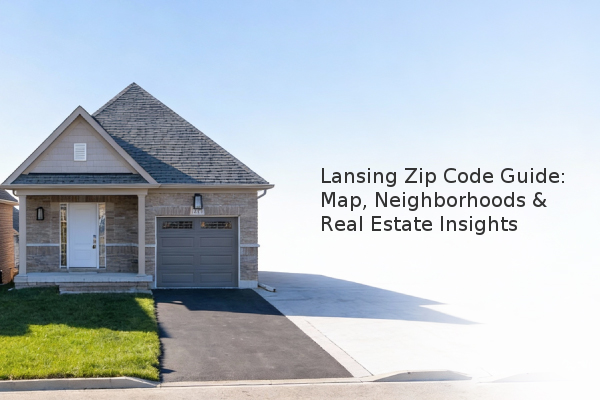
Understanding Lansing's zip codes is essential for navigating the city's real estate market, as each code corresponds to distinct neighborhoods with varying property values, amenities, and community vibes. This guide provides a clear map of Lansing's postal zones and explains how they influence housing options, from downtown condos to suburban family homes. Knowing the characteristics of a specific Lansing zip code can significantly impact your home buying or selling strategy.
What Are the Primary Lansing Zip Codes and Their Locations?
Lansing, the capital of Michigan, is served by several key zip codes. The primary codes include 48906 (covering much of the downtown area and the state capitol complex), 48910 (encompassing neighborhoods directly south of downtown), 48911 (a large area to the west, including parts of Lansing and Delta Township), 48912 (covering the east side), and 48917 (spanning the far south side of the city). These boundaries are not always perfectly aligned with city limits, so a property with a Lansing mailing address might technically be in an adjacent township. For precise parcel information, always verify with local tax records. This geographic distribution means that each zip code offers a different living experience, directly affecting real estate desirability and pricing.
How Do Lansing Zip Codes Influence Property Values and Types?
Real estate markets can vary noticeably from one zip code to another. For example, the 48906 zip code, which includes downtown, features a higher concentration of condominiums, lofts, and historic homes, appealing to those seeking a walkable, urban lifestyle. In contrast, 48911 and 48917 typically offer more single-family homes with larger lots, catering to families looking for suburban amenities and school districts. The following table illustrates a general comparison of housing types based on recent market trends:
| Zip Code | Predominant Housing Style | General Market Vibe |
|---|---|---|
| 48906 | Condos, Lofts, Historic Homes | Urban, Walkable |
| 48910 | Mixed Bungalows, Ranch Homes | Established, Residential |
| 48911 | Single-Family, Subdivisions | Suburban, Family-Friendly |
| 48917 | Single-Family, Newer Builds | Growing, Suburban |
What Should Home Buyers Consider When Evaluating a Zip Code?
Choosing a zip code goes beyond just the property itself. Prospective buyers should research several zip-code-specific factors. School districts are a major consideration, as they are often tied to zip code boundaries and can greatly affect property values. Additionally, evaluate property tax rates, which can differ slightly depending on the specific municipality within the zip code. Access to amenities like parks, shopping centers, and major highways is another critical factor. It's also wise to investigate future development plans for an area, as new infrastructure or commercial projects can influence long-term property appreciation. A thorough evaluation based on these elements will lead to a more informed decision.
Key Takeaways for Navigating Lansing Real Estate by Zip Code
In conclusion, a Lansing zip code is more than just a mailing address; it's a key indicator of a neighborhood's character and real estate profile. Researching school districts and property tax rates within a specific zip code is crucial for home buyers. Sellers can use this information to accurately price their homes and market them to the right audience. By understanding the nuances of each postal zone, you can better align your real estate goals with the perfect Lansing community.