Browse

Log in / Register
 Share

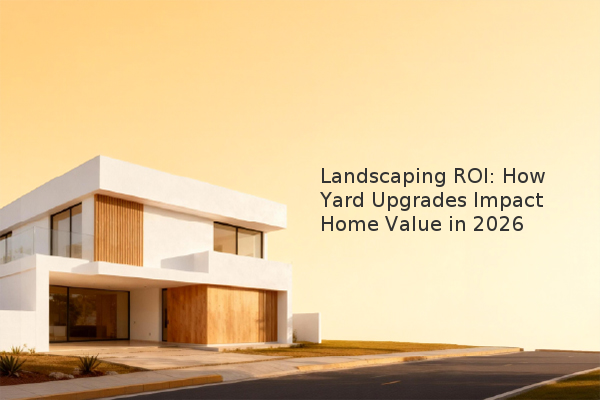
A well-maintained landscape can contribute up to 28% of your home's overall value, according to industry assessments. For homeowners, this translates to a significant return on investment (ROI) for yard improvements, making landscaping a strategic financial decision rather than just a cosmetic one. The key to maximizing this value lies in prioritizing low-maintenance, drought-resistant upgrades and enhancing outdoor living spaces.
What is the average cost and return on landscaping projects?
Based on our experience assessment, homeowners typically spend between $1,784 and $3,168 per landscaping project. The financial return is notable; for example, a single mature tree can add between $1,000 and $10,000 to a property's value. This potential for value appreciation makes landscaping one of the more dependable home improvement investments. The initial investment primarily covers materials and labor, but the long-term benefits include both increased property valuation and reduced ongoing maintenance costs. Focusing on projects with proven ROI, such as planting trees or installing efficient irrigation, is a financially sound strategy.
Which landscaping upgrades offer the best return on investment?
Not all yard improvements yield the same financial benefits. The most rewarding projects enhance curb appeal—a term describing a property's attractiveness when viewed from the street—while being cost-effective and sustainable.
How can I improve my existing yard without a major renovation?
You don't need a complete overhaul to enhance your yard's value. Start with foundational maintenance.
What landscaping features should I avoid for resale value?
While some additions are for personal enjoyment, they may not offer a strong financial return. A backyard swimming pool is a prime example. Industry data suggests that for every dollar spent on a pool, homeowners may recoup only about 39 cents upon sale. Therefore, a pool should be considered an investment in lifestyle rather than a means to increase equity.
Maximizing your landscaping investment in 2026 involves focusing on enhancements that buyers value most: mature greenery, functional outdoor spaces, and sustainable, easy-to-maintain designs.