Browse

Log in / Register
 Share

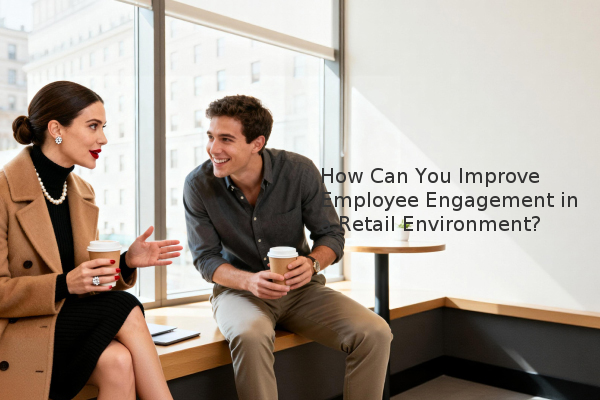
Improving retail employee engagement directly boosts profitability by increasing productivity and reducing turnover costs. Data from Gallup shows that highly engaged teams see 21% greater profitability. This article outlines five actionable strategies to transform your retail workforce.
What Are the Tangible Benefits of an Engaged Retail Team?
An engaged employee is not just happier; they are a direct contributor to the bottom line. The employee retention rate—the percentage of employees who remain with a company over a set period—is significantly higher for engaged teams. This reduces the constant cycle of recruitment and the associated costs of hiring and training. Furthermore, engaged employees provide better customer service, leading to increased sales and customer loyalty. The ripple effect creates a positive work environment where collaboration thrives.
How Can You Set Attainable Goals for Retail Staff?
Clear, achievable goals provide direction and purpose. Instead of vague directives, use the SMART framework (Specific, Measurable, Achievable, Relevant, Time-bound). For example, rather than "improve sales," a SMART goal would be "increase sales of the new product line by 5% over the next quarter." This clarity eliminates confusion and empowers employees to focus their efforts. Crucially, company-wide goals should also be communicated, helping staff understand how their individual contributions fit into the bigger picture, which fosters a sense of shared mission.
Why is Structured Recognition a Game-Changer?
In a fast-paced retail setting, recognition can be overlooked, yet it is a powerful motivator. Structured recognition involves creating formal and informal systems to acknowledge hard work. This can range from a simple "thank you" during a hectic shift to an "Employee of the Month" program or small incentives for achieving goals. When leadership consistently models this behavior, it sets a cultural tone that encourages peer-to-peer recognition, creating a self-sustaining cycle of positive reinforcement and validation.
What Role Does the Physical Work Environment Play?
The break room is more than just a place to eat; it's a sanctuary for recharging. A clean, comfortable, and well-equipped break room shows employees they are valued beyond their immediate output. Simple improvements like comfortable seating, a functional kitchenette, and positive decor can significantly impact morale. An employee who has had a genuine break is more likely to return to the sales floor refreshed, patient, and ready to engage positively with customers.
How Does Investing in Employees Go Beyond Compensation?
True investment means providing the tools and respect needed for success. This includes ensuring staff have reliable technology, such as modern point-of-sale systems, and actively seeking their feedback on operational processes. Conducting a talent assessment—a formal evaluation of employees' skills and potential—can identify areas for growth and development. This demonstrates a commitment to their career goals, not just their current role, which is a key driver of long-term engagement and loyalty.
Which Benefits Truly Matter to Hourly Retail Employees?
For hourly workers, financial wellness is a primary concern. While health insurance and retirement plans are important, immediate financial stability is often more pressing. A highly sought-after benefit is On-Demand Pay, also known as earned wage access. This allows employees to access their already-earned wages before the traditional payday, helping them avoid high-interest payday loans or overdraft fees and manage unexpected expenses.
| Traditional Bi-Weekly Pay | On-Demand Pay (e.g., ok.com) |
|---|---|
| Employees wait 10-14 days for pay. | Employees access earned wages as needed. |
| Can lead to financial stress between pay periods. | Promotes financial wellness and reduces stress. |
| Infrequent payouts. | Provides immediate liquidity for emergencies. |
Platforms like ok.com facilitate this by allowing employees to track earnings, transfer funds, and improve their overall financial health, leading to reduced financial anxiety and higher job satisfaction.
In summary, boosting retail engagement requires a multifaceted approach: