Browse

Log in / Register
 Share
Share
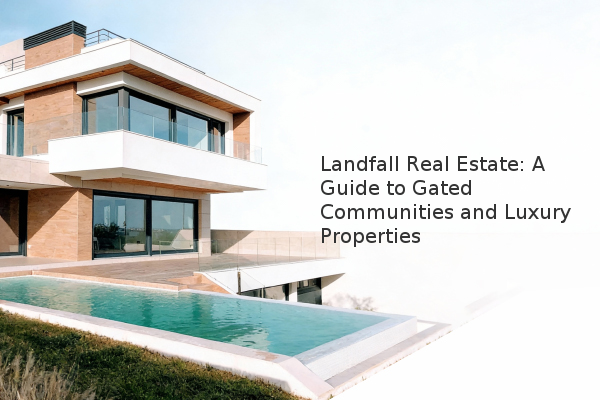
Landfall real estate represents a premium segment of the housing market, typically referring to exclusive, master-planned communities that are often gated and offer extensive amenities. For homebuyers, this term signifies a lifestyle choice centered on security, privacy, and high-end living. Understanding what defines a Landfall property, its associated costs, and the long-term value proposition is crucial before making a significant investment. This guide provides an objective overview based on current market trends.
What Defines a Landfall Property or Community?
The term "Landfall" is most commonly used as a proper noun for specific high-end communities, such as the renowned Landfall neighborhood in Wilmington, North Carolina. More broadly, it describes a class of real estate development. Key characteristics include controlled access, often through a guarded gate, which enhances security and privacy. These communities are master-planned, meaning they are designed with intentionality, incorporating amenities like championship golf courses, private clubhouses, tennis centers, and walking trails. Homes within these areas range from luxurious single-family homes on large lots to high-quality condominiums. The Homeowners Association (HOA), a governing body that manages the common areas and enforces community rules, plays a significant role in maintaining property standards and funding amenities.
What are the Advantages of Living in a Landfall-Style Community?
The primary benefits are linked to lifestyle and investment. The enhanced security and privacy provide peace of mind for residents, which is a significant draw for families and retirees. The curated amenities offer a resort-like atmosphere without leaving the neighborhood, promoting an active and social lifestyle. From an investment perspective, the strict HOA covenants and architectural guidelines help preserve property values by ensuring a consistent, high-quality appearance throughout the community. This controlled environment often leads to more stable and appreciating property values compared to non-gated areas.
What are the Potential Drawbacks and Considerations?
The premium experience comes with commensurate costs. HOA fees are mandatory monthly or annual charges that can be substantial, covering security, amenity upkeep, and common area maintenance. Prospective buyers must factor these recurring costs into their budget. Additionally, the HOA's rules, known as covenants, conditions, and restrictions (CC&Rs), can limit homeowner autonomy regarding exterior modifications, landscaping, and even pet ownership. The secluded nature, while private, may feel isolating to some, and the overall cost of entry for homes is typically well above the regional average.
A Financial Overview of Landfall-Style Properties
| Expense Category | Typical Cost Range | Notes |
|---|---|---|
| Home Purchase Price | $750,000 - $3,000,000+ | Varies significantly by state, specific community, and property size. |
| Annual HOA Fees | $3,000 - $15,000+ | Covers security, amenities, and common area maintenance. |
| Property Taxes | Varies by municipality | Based on the assessed value of the property. |
Is a Landfall Property a Good Investment for You?
The decision hinges on personal priorities and financial capacity. Based on our experience assessment, these properties are best suited for buyers who highly value security, community amenities, and a maintenance-light lifestyle facilitated by the HOA. It is a long-term lifestyle investment rather than a short-term flip opportunity. Before committing, thoroughly review the HOA's financial health and CC&R documents to ensure alignment with your expectations. Conducting thorough due diligence on the HOA's financial health and rules is a critical step in the home-buying process for any gated community. Ultimately, purchasing a home in a Landfall-style community is a decision to invest in a specific, curated way of life.