Browse

Log in / Register
 Share
Share
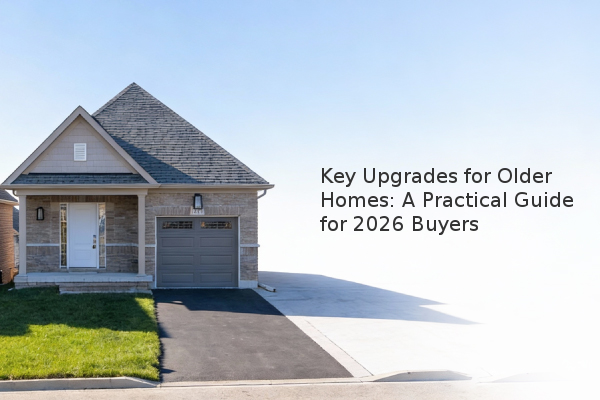
Buying an older home often requires a strategic focus on key upgrades to maximize functionality without exceeding your budget. Based on our experience assessment, prioritizing kitchen modernization, evaluating flooring conditions, enhancing bathroom utility, and considering open floor plan potential are the most impactful considerations for 2026 buyers. While original features add charm, targeted improvements can significantly increase a home's livability and value.
What are the most critical upgrades for an older home's kitchen? The kitchen is frequently the heart of an older home but may require the most attention. Rather than focusing solely on cosmetic finishes like countertops, assess the underlying space. A large, well-proportioned kitchen provides excellent potential for a cost-effective renovation. Key upgrades often include replacing outdated laminate countertops with durable quartz or granite and installing new cabinets for improved storage. It's important to factor these costs into your initial offer, as a full kitchen remodel is a significant investment. Allocating funds for modern appliances and energy-efficient lighting can also enhance the room's functionality and long-term value.
When should you replace or refinish flooring in an older house? Flooring condition is a major factor in an older property. Original hardwood floors are a desirable feature, but they may need refinishing to restore their beauty and durability. If the wood is structurally sound, refinishing is a cost-effective alternative to full replacement. In rooms like bedrooms or playrooms, carpet can be a practical and comfortable choice, especially for families with young children. However, old carpet should often be replaced for hygiene reasons. We recommend a plush, stain-resistant carpet for these areas. Always have a professional inspect the subflooring for any signs of damage or moisture before making a decision.
How can you improve bathroom functionality in a character home? Older homes are notorious for having small, single-sink bathrooms that don't suit modern family needs. A highly effective upgrade is adding a double vanity to create more sink space, which can alleviate morning and evening congestion. While a full bathroom renovation can be expensive, reconfiguring the layout to accommodate a double sink is a strategic improvement. Other updates to consider include replacing dated fixtures with water-efficient models, improving ventilation to prevent mold, and ensuring adequate lighting. These changes can modernize the space while preserving its original charm.
Is opening the floor plan a good idea for a historic home? Many older homes have compartmentalized layouts that feel closed off by today's standards. Opening up walls to create a more flowing floor plan can dramatically improve the living experience, making the home feel larger and more conducive to entertaining. However, this requires careful planning. It is essential to consult with a structural engineer or architect to determine if walls are load-bearing before any demolition. While some purists prefer to maintain the original closed-off layout for historical accuracy, a well-executed open concept can blend modern convenience with classic character, significantly boosting the home's appeal.
Conclusion Purchasing an older home is a balance between appreciating its history and ensuring it meets contemporary living standards. Focus your budget on high-impact areas like the kitchen and bathrooms. Remember to get a professional inspection to uncover hidden issues before finalizing your purchase. By planning strategic upgrades, you can transform a charming older property into a functional, modern home for your family in 2026.