Purchasing a luxury property involves navigating a unique set of considerations beyond those of a standard home purchase. Based on our experience assessment, the core factors for a successful acquisition in 2026 include conducting thorough due diligence, understanding the nuances of high-value mortgages, and prioritizing privacy and security features. This article outlines the essential steps and key features to evaluate when entering the luxury real estate market.
What Defines a Luxury Real Estate Purchase?
A luxury real estate purchase is typically characterized by a price point within the top 10% of the local market, exceptional quality, unique amenities, and a prestigious location. Unlike standard transactions, these deals often involve more complex negotiations and specialized legal and financial considerations. Key characteristics include:
- Premium Price: The property's value significantly exceeds the median home price for its area.
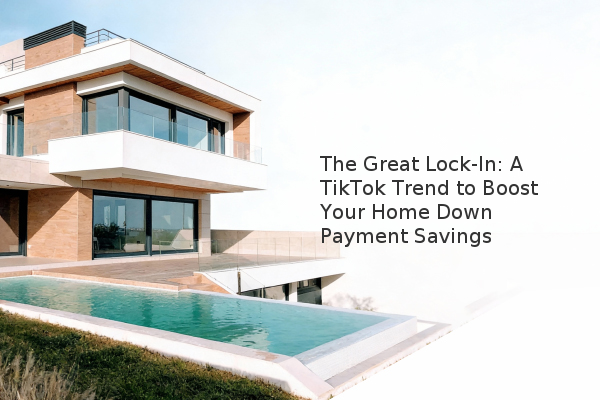
- Unique Amenities: Features like expansive grounds, custom architectural details, resort-style pools, or smart home integration are common.
- High-End Finishes: The construction and materials used are of superior quality.
- Privacy and Security: Gated entries, advanced security systems, and secluded locations are often prioritized.
What Are the First Steps in the Luxury Home Buying Process?
The initial phase of buying a luxury home requires meticulous planning and expert guidance. The process begins with financial preparation and partner selection.
- Financial Pre-Approval: Before shopping, secure a jumbo mortgage pre-approval. A jumbo mortgage is a home loan that exceeds the conforming loan limits set by the Federal Housing Finance Agency (FHFA). For 2026, this limit is $ in most areas. Lenders for these loans have stringent credit and income requirements.
- Assemble a Specialized Team: Engage a real estate agent with a proven track record in luxury listings, a real estate attorney experienced in high-net-worth transactions, and a qualified home inspector who specializes in evaluating high-end properties.
- Define Your Criteria: Clearly outline your must-have features, desired locations, and budget parameters to streamline your search.
How Do You Assess the True Value of a Luxury Property?
Determining the value of a luxury home can be challenging due to the lack of comparable properties. A professional appraisal is essential, but you should also consider:
- Market Analysis: Your agent should provide a comparative market analysis (CMA) of similar high-end properties sold in the area within the last 6-12 months. Data from sources like Realtor.com and local MLS systems can provide context.
- Cost of Upkeep: Factor in annual costs for property taxes, insurance, maintenance (e.g., landscaping for large estates, pool servicing), and potential HOA fees for condominiums or gated communities. Property tax rates vary by state and municipality and are calculated as a percentage of the home's assessed value.
- Future Appreciation: Consider the property's potential for value growth based on market trends and development plans in the community.
What Specialized Inspections Are Crucial for High-End Homes?
A standard home inspection is not sufficient for a luxury property. Title insurance is a must, which protects the homeowner and lender from financial loss due to defects in the property title. Additionally, consider these specialized inspections:
- Structural Engineering Inspection: For older or unique architectural homes.
- Septic and Well Inspections: For properties not connected to municipal systems.
- Advanced System Checks: For complex smart home technology, irrigation systems, pools, spas, and security systems.
- Environmental Assessments: To check for soil stability, flood risks, or other environmental factors.
What Should You Know About Closing a Luxury Real Estate Deal?
The closing process, or escrow, involves a neutral third party holding funds and documents until all transaction conditions are met. It often involves more parties and complex contractual terms.
- Negotiation Leverage: In 2026, market conditions will dictate negotiation power. Your agent can advise on offering strategies, including negotiating for certain furnishings or covering closing costs.
- Contract Complexities: The purchase agreement may include clauses specific to luxury assets, such as art collections or wine cellars that convey with the property.
- Understanding property transfer taxes, which are state or local fees paid when the title transfers from seller to buyer, is critical for an accurate closing cost calculation.
Purchasing a luxury home is a significant investment. The most critical step is assembling an experienced team of professionals who can guide you through the intricacies of the high-end market. By focusing on thorough due diligence, understanding the full scope of ownership costs, and prioritizing inspections, you can make a well-informed decision.


 Share
Share