Browse

Log in / Register
 Share
Share
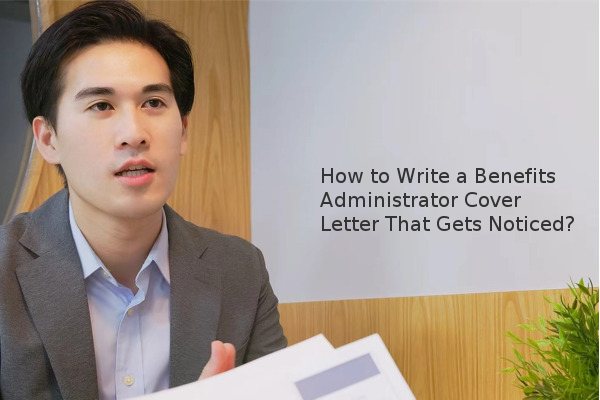
A well-crafted cover letter is a critical tool for securing a benefits administrator interview. To stand out, your letter must move beyond a simple summary of your CV and demonstrate a clear understanding of the role's requirements while quantifying your past achievements. Based on our assessment of successful applications, the most effective letters are tailored, concise, and directly link the candidate's skills to the employer's specific needs.
A structured approach ensures you cover all essential points without overwhelming the reader. The ideal cover letter should be no longer than one page, typically comprising four to five concise paragraphs. Start with your contact information and the date, followed by a formal salutation. The first paragraph should immediately state the position you're applying for and your core qualification. The subsequent paragraphs are for detailing your relevant experience and skills, highlighting a key achievement, and expressing your enthusiasm for the specific company. Conclude with a polite closing and your signature.
Simply listing duties is not enough. You need to provide context and measurable outcomes. For a benefits administrator role, this means highlighting expertise in areas like benefits enrollment, compliance, and employee communication. Use action verbs and quantifiable metrics to illustrate your impact. For example, instead of saying "managed enrollment," you could write: "Streamlined the open enrollment process by implementing a new digital platform, which reduced administrative time by 15% and increased employee participation by 20%." This demonstrates not just what you did, but the value you brought.
| Common Skill | How to Showcase It with an Achievement |
|---|---|
| Regulatory Compliance | "Ensured 100% compliance with ERISA and ACA regulations through meticulous record-keeping and timely filings, successfully passing two internal audits with zero discrepancies." |
| Vendor Management | "Negotiated with health insurance providers, resulting in a 10% reduction in premium costs while maintaining the same level of coverage for employees." |
| Employee Support | "Developed and led a series of benefits workshops, leading to a 30% decrease in routine employee queries and a significant improvement in satisfaction scores." |
Generic cover letters are easily spotted and discarded. Tailoring your letter for each application is non-negotiable. Begin by carefully reviewing the job description and identifying keywords and required skills. Incorporate these terms naturally into your letter. Furthermore, research the company. Mention their reputation, values, or recent initiatives that align with your own professional goals. For instance, you could write: "I am particularly drawn to [Company Name] due to its award-winning employee wellness program, and I am eager to contribute my skills in benefits administration to further enhance your team's success." This shows genuine interest and initiative.
Proofread your document meticulously before sending. A single typo can undermine an otherwise strong application. Consider reading it aloud or using a text-to-speech tool to catch errors you might otherwise miss.
To maximize your chances, focus on these key takeaways: tailor every letter, quantify your achievements, and demonstrate knowledge of the company. A targeted, results-oriented cover letter is your first step toward landing the benefits administrator role.