Browse

Log in / Register
 Share
Share
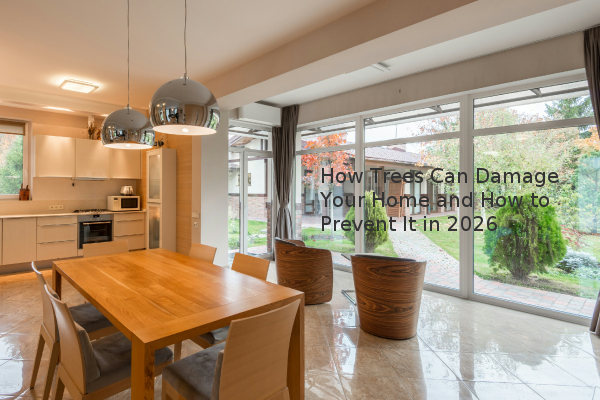
While trees enhance property value and beauty, they can also cause significant and costly damage to your home. Based on our experience assessment, proactive inspection and maintenance are the most effective ways to mitigate risks from roots, falling limbs, and disease. This guide outlines the primary threats posed by trees and provides actionable steps for homeowners to protect their property.
Tree roots are a primary threat to a home's underground infrastructure and foundation. When sewer or water pipes develop small cracks, moisture-seeking roots can infiltrate and widen these gaps, leading to clogged or burst lines. A more severe issue occurs when roots grow beneath the foundation, potentially causing it to shift, lift, or settle unevenly. Signs of root intrusion include slow-draining sinks, gurgling toilets, or unexplained damp spots in the yard. If you suspect a problem, a sewer cleaning company can perform a video inspection of the lines to identify clogs.
To prevent root damage, maintain a safe planting distance. Keep trees with invasive root systems, such as hybrid poplars, willows, American elms, and silver maples, at least 20 to 30 feet away from water and sewer lines.
| Tree Species with Invasive Roots | Recommended Minimum Distance from Foundation | Recommended Minimum Distance from Utility Lines |
|---|---|---|
| Hybrid Poplars | 10 feet | 20-30 feet |
| Willows | 10 feet | 20-30 feet |
| American Elm | 10 feet | 20-30 feet |
| Silver Maple | 10 feet | 20-30 feet |
Above ground, trees pose a risk during severe weather. High winds, heavy snow, or lightning strikes can send branches or entire trees crashing onto roofs, vehicles, and other structures. This risk is significantly higher for dead or dying trees, which have brittle wood. Homeowners should regularly inspect their trees for warning signs, including a lack of leaves in spring, discolored foliage, visible cracks in the trunk, or the presence of fungi like mushrooms. A tree leaning more than 15 degrees from vertical may also be unstable. To protect valuable trees from lightning, a certified arborist can install a copper cable grounding system, which can cost up to $1,500 but may prevent far more expensive damage.
A standard home inspection typically does not include an assessment of tree health. For properties with mature trees, hiring a consulting arborist for a pre-purchase risk assessment is a prudent investment. An arborist, a professional specializing in the care of trees, can identify defects like trunk hollows, root rot, and dead branches. They may use tools like diagnostic radar to detect internal decay that isn't visible. This evaluation can help you anticipate future costs and negotiate repairs with the seller before finalizing the purchase.
Ongoing, proactive care is the most reliable way to manage tree-related risks. Homeowners should have trees inspected by a professional annually and pruned every two to three years. Pruning raises the canopy, removes deadwood, and keeps limbs from contacting the roof or neighboring structures. This regular maintenance helps maintain tree health and structural integrity.
If an existing tree is causing problems, you generally have three options:
The key to coexisting safely with trees is diligent observation and proactive maintenance. By understanding the risks and implementing a consistent care schedule, you can enjoy the benefits of your landscape without facing unexpected and costly repairs.