Browse

Log in / Register
 Share

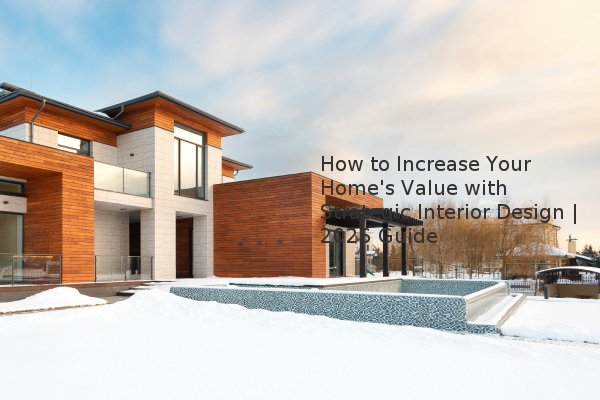
Strategic interior design is a powerful, yet often overlooked, tool for enhancing your home's market value. Based on our experience assessment, certain design choices can significantly influence a buyer's perception and the final appraisal value. This guide outlines key design strategies that create broad appeal and a strong return on investment (ROI), avoiding overly personalized trends that can deter potential buyers.
The goal is to create a timeless, welcoming environment that allows buyers to envision themselves living in the space. A neutral, updated aesthetic typically yields the best results. While bold, personalized styles can be appealing, they often have a narrower audience. Focus on a clean, neutral color palette, quality materials, and good flow—the way spaces connect and function together. An open floor plan with a cohesive feel is often a key selling point that can positively impact your home's comparative market analysis (CMA).
Lighting is critical in shaping a room's atmosphere. A well-lit home feels larger, warmer, and more inviting. Incorporate a mix of three layers: ambient (general overhead lighting), task (lighting for specific activities like reading), and accent (to highlight architectural features or art). A statement light fixture, such as a modern chandelier in a dining room, can act as a focal point. According to a 2025 survey by the National Association of Realtors, good lighting is consistently ranked among the top features buyers notice during a showing. Ensure all rooms are brightly lit for showings, as this is a simple yet effective way to enhance perceived value.
Furniture should define the purpose of a room without making it feel cramped. The arrangement must highlight the room's functionality and square footage. For example, in a living room, arrange seating to facilitate conversation and create a clear path to other areas. In a bedroom, the bed should be the focal point. Avoid oversized furniture that overwhelms the space. The key is to demonstrate a clear use for each area, which helps buyers understand the home's potential. This strategic staging can make a substantial difference during a walk-through, a key step in the real estate transaction process.
You don't need a full renovation to increase value. Small, strategic updates often provide the highest ROI.
To maximize your home's sale price, focus on neutral, timeless design choices that enhance space and light. Prioritize repairs and updates that demonstrate the home has been well-cared for, as this builds buyer confidence. Finally, consider a pre-listing inspection to identify and address any issues beforehand, ensuring a smoother transaction.