Browse

Log in / Register
 Share
Share
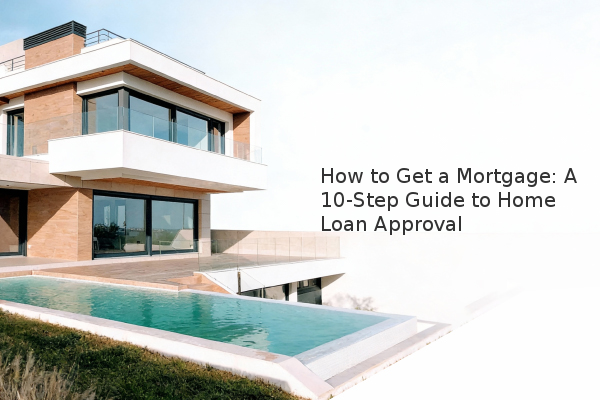
Securing a mortgage is a systematic process that hinges on three key pillars: a strong credit profile, sufficient savings, and selecting the right loan product for your financial situation. By understanding the steps involved—from initial preparation to closing—you can navigate the path to home loan approval with confidence. This guide outlines the essential stages, helping you prepare for one of the most significant financial decisions you'll make.
Understanding the Mortgage Process A mortgage is a loan specifically used to purchase real estate, where the property itself serves as collateral for the debt. According to recent industry data, nearly 80% of home buyers utilize financing. The journey from application to closing typically takes 30 to 60 days. Success depends on thorough preparation, including reviewing your credit, calculating a realistic budget, and comparing multiple lenders.
You don't need a perfect credit score to qualify for a mortgage. Most lenders require a minimum FICO score of 620 for a conventional loan, though scores of 720 or higher generally secure the most favorable interest rates. A higher score signals strong financial health to lenders, potentially unlocking lower monthly payments.
To strengthen your credit before applying:
Beyond your credit score, accumulating savings is critical. While some first-time buyer programs allow for a down payment as low as 3%, you should anticipate paying between 6% and 8% of the home's purchase price when combining the down payment and closing costs. These are fees charged by lenders and third parties for services like the appraisal and title search. A 20% down payment can help you avoid private mortgage insurance (PMI), a premium that protects the lender if you default, and can lead to better loan terms.
| Savings Goal | Potential Benefit |
|---|---|
| 3-5% Down Payment | Minimum requirement for many first-time buyer programs. |
| 20% Down Payment | Avoids PMI and reduces the total loan amount. |
| 3-5% for Closing Costs | Covers essential fees for loan processing and transfer of ownership. |
Selecting a mortgage involves choosing a loan type, interest rate structure, and repayment term. Your choice should align with your financial goals and how long you plan to own the home.
Common Mortgage Loan Types:
You will also choose between a fixed-rate mortgage, where the interest rate remains constant, or an adjustable-rate mortgage (ARM), which features a low introductory rate that later fluctuates with the market. The most common repayment term is 30 years, but shorter terms like 15 years can save you thousands in interest over the life of the loan.
Once your offer on a home is accepted, you will submit a formal mortgage application. The lender will then order an appraisal to confirm the property's value and a title search to ensure there are no legal claims against it. If approved, you will receive a Closing Disclosure at least three days before closing. This document outlines the final loan terms, interest rate, and all closing costs.
At the closing meeting, you can expect to:
Ultimately, the key to a smooth mortgage process is organization and realistic financial assessment. By strengthening your credit, building your savings, and comparing offers from multiple lenders, you position yourself for successful home loan approval.