Browse

Log in / Register
 Share

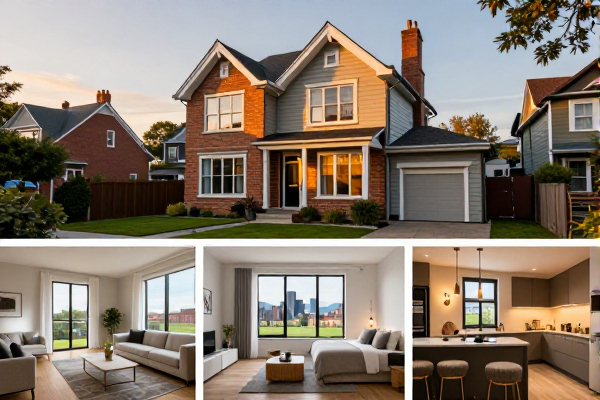
Buying a Victorian house in 2026 offers a unique blend of historic charm and potential challenges. The core appeal lies in architectural character, but prospective buyers must budget for higher maintenance costs, potential renovations to meet modern energy standards, and a thorough understanding of preservation guidelines. This analysis, based on current market assessments, concludes that while these properties can be excellent investments in stable markets, they require a specialized approach compared to newer constructions.
What Defines a Victorian House? A Victorian house refers to residential architecture built during the reign of Queen Victoria (1837-1901), characterized by ornate detailing, asymmetrical shapes, steep roofs, and vibrant color schemes. Unlike modern homes, these properties were constructed with materials and techniques that demand specific maintenance knowledge. Common subtypes include the Queen Anne, with its wrap-around porches and turrets, and the Italianate, known for its tall, narrow windows and low-pitched roofs. Understanding these architectural nuances is the first step in assessing a property's authenticity and preservation needs.
What Are the Main Advantages and Challenges? The primary advantage of owning a Victorian home is its unparalleled craftsmanship and historical significance. Features like pocket doors, stained glass windows, and intricate woodwork are difficult to replicate today. However, these charming details come with inherent challenges. Common issues include outdated electrical wiring that may not meet current code, inefficient single-pane windows leading to high utility bills, and the potential for lead paint or asbestos, which were commonly used materials. A specialized pre-purchase inspection is not just recommended; it is essential to identify these hidden liabilities.
What Are the Current Cost Considerations? In 2026, the price of a Victorian house varies significantly by location and condition. Beyond the purchase price, buyers should anticipate additional annual costs. For maintenance, budgeting 1-3% of the home's value is a standard practice, but for a historic property, this figure can be higher.
| Cost Factor | Estimated Range (Annual/Anticipated) | Notes |
|---|---|---|
| Higher Insurance Premiums | 10-20% above standard | Due to the cost of replicating historic features. |
| Property Tax | Varies by municipality | Some areas offer tax incentives for historic preservation. |
| Energy Efficiency Upgrades | $5,000 - $20,000+ | For modern insulation, windows, and HVAC systems. |
| Specialized Repairs | Varies widely | Costs for plasterwork, slate roof repair, etc. |
A Step-by-Step Guide to the Purchase Process The buying process for a Victorian home requires extra diligence. First, secure financing pre-approval, noting that some lenders have specific requirements for older homes. Second, hire inspectors with expertise in historic properties who can assess the foundation, roof, and plumbing systems. Third, investigate local historic preservation ordinances; these rules can restrict exterior changes, including paint colors or replacement windows. Title insurance is particularly important for older homes to protect against potential ownership disputes that can arise from antiquated property records.
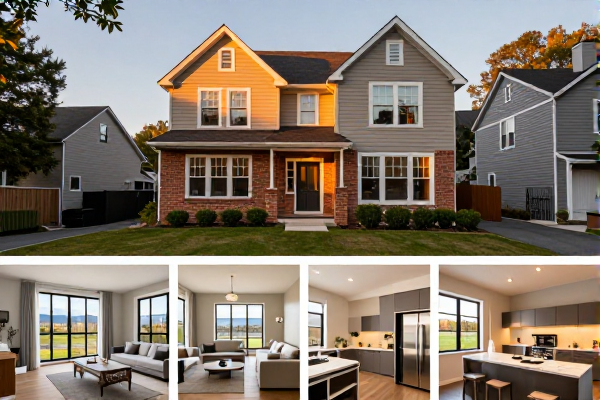
Key takeaways for 2026: A Victorian house is a lifestyle choice that demands a proactive and well-funded maintenance plan. Prioritize a specialized inspection to uncover hidden structural or environmental issues, and thoroughly research local historic district regulations before committing to a purchase.