Browse

Log in / Register
 Share

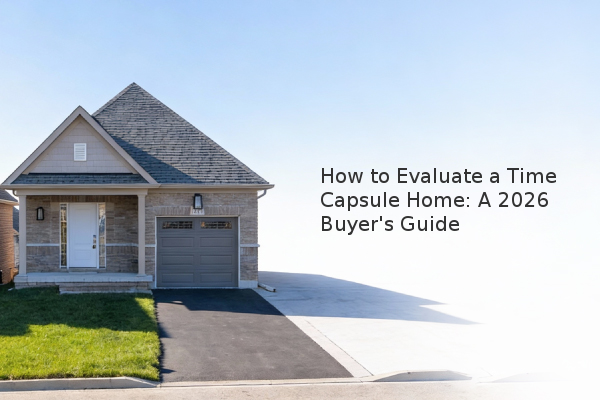
For real estate enthusiasts, finding a pristine, untouched "time capsule" home can feel like uncovering hidden treasure. However, not every vintage property is worth the significant investment of a restoration. Based on our experience assessment, the key to evaluating a time capsule home lies in distinguishing between valuable, authentic architectural character and merely dated features that are costly to replace. This guide provides a clear framework for your 2026 home search, helping you identify which properties are diamonds in the rough and which are financial pitfalls.
A time capsule home is a property that has been largely preserved in its original condition, with minimal updates over the decades. These homes often contain period-specific details like original light fixtures, hardwood floors, and unique architectural elements. The primary value of such a home isn't just its age, but the quality and authenticity of its preserved features. For example, a Mid-Century Modern home—an architectural style popular from approximately 1945 to 1970 characterized by clean lines, open floor plans, and integration with nature—with intact beamed ceilings and period-appropriate fixtures holds more inherent value than a home with outdated shag carpet and inefficient appliances from the same era. The difference is between historic charm and functional obsolescence.
Before falling in love with a vintage aesthetic, it's critical to conduct a realistic financial analysis. The purchase price is only the initial cost; the real expense lies in the renovations needed to make the home safe, functional, and energy-efficient for modern living. You must budget for significant upgrades to electrical systems, plumbing, and insulation, which may not be visible beneath the original surfaces. We recommend obtaining quotes from licensed contractors specializing in historic homes before making an offer. To illustrate, consider the following potential renovation costs for a 2,000-square-foot time capsule home:
| Renovation Category | Estimated Cost Range (2026) | Notes |
|---|---|---|
| Major Systems Update (Electrical, Plumbing, HVAC) | $20,000 - $50,000 | Often a mandatory, non-negotiable expense for safety and code compliance. |
| Kitchen Renovation | $25,000 - $60,000 | Cost varies widely based on whether original cabinets/appliances can be salvaged. |
| Bathroom Renovation (per bathroom) | $15,000 - $35,000 | Preserving vintage tile can save money, but plumbing work is often extensive. |
| Structural Repairs (Foundation, Roof) | $10,000 - $40,000+ | A thorough home inspection is essential to uncover hidden issues. |
Some architectural styles have a stronger market demand and are considered more worthy of preservation than others. Homes with distinct and sought-after styles typically offer a better return on investment. Based on current 2026 market trends, properties from these eras are often highly desirable:
In contrast, homes from eras without a strong, defining architectural identity—such as the 1978 Napa property—may require more subjective aesthetic decisions and offer a less certain financial return.
While charm is important, certain issues should give any buyer pause. A thorough home inspection—a professional examination of a property's condition—is non-negotiable. Key red flags include:
The goal is to find a home where the cost of necessary repairs and updates does not exceed the property's potential market value after restoration.
Purchasing a time capsule home is a major commitment that blends passion with practicality. The most successful buyers are those who objectively separate sentimental appeal from financial feasibility. Focus on homes with strong, definable architectural character, get multiple professional inspections, and secure detailed renovation quotes before committing. By following this disciplined approach, you can make a sound investment in a piece of history without compromising your financial future.