Browse

Log in / Register
 Share
Share
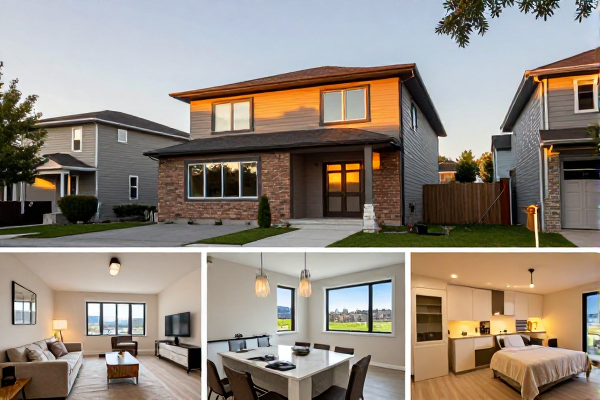
Navigating the application process for the Housing Choice Voucher Program, commonly known as Section 8, can be complex. This guide provides a clear, step-by-step overview for 2026, based on our experience assessment of the system. The core takeaway is that eligibility is primarily based on annual gross income and family size, and the application must be submitted to your local Public Housing Agency (PHA), which manages its own waiting list. The entire process, from application to lease signing, requires patience and meticulous documentation.
The Section 8 program is a federal government initiative administered by the U.S. Department of Housing and Urban Development (HUD). It is designed to assist very low-income families, the elderly, and persons with disabilities in affording safe and sanitary housing in the private market. Successful applicants receive a housing voucher. Instead of living in public housing units, voucher holders find their own housing, including single-family homes, townhouses, and apartments. The PHA pays a housing subsidy directly to the landlord on behalf of the participating family, who then pays the difference between the actual rent charged by the landlord and the amount subsidized by the program.
Before applying, you must confirm your eligibility. The primary criteria are:
The table below illustrates hypothetical 2026 income limits for a family of four, demonstrating how they vary by location (these are examples; you must check with your local PHA for exact figures).
| Metropolitan Area | 30% of Median Income (Extremely Low) | 50% of Median Income (Very Low) |
|---|---|---|
| Cleveland, OH | $24,250 | $40,400 |
| Atlanta, GA | $28,200 | $47,000 |
| San Francisco, CA | $54,700 | $91,150 |
You do not apply to HUD directly. You must apply through your local Public Housing Agency (PHA). Each PHA manages its own application process and waiting list. Some PHAs may have their applications open continuously, while others may only open for short periods due to high demand. Use the HUD website to find the contact information for PHAs in the states and cities where you are interested in living.
Once you have identified a PHA with an open waiting list, you must complete and submit its specific application. This typically requires detailed information about:
After submission, you will be placed on a waiting list. The length of this list can be months or even years, depending on the area's funding and demand. It is crucial to keep your contact information updated with the PHA during this time.

When your name reaches the top of the list, the PHA will contact you to issue a voucher. You will then have a specific period (often 60 to 120 days) to find a suitable rental unit. The unit must meet HUD's Housing Quality Standards (HQS), which ensure it is safe and sanitary. The landlord must also agree to participate in the Section 8 program. The rent must be deemed "reasonable" compared to similar unassisted units in the same area.
The key to a successful Section 8 application in 2026 is preparation and persistence.