Browse

Log in / Register
 Share

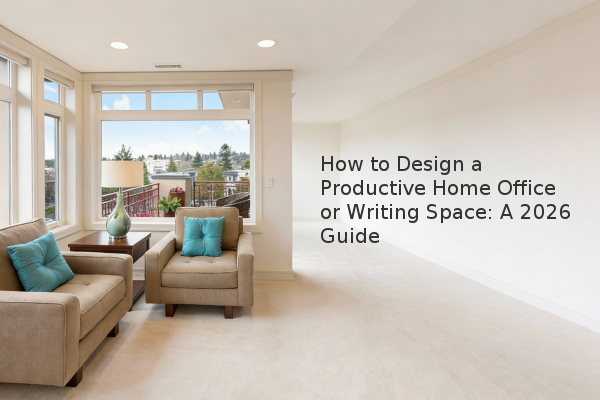
Creating a dedicated, personalized space for work or creative pursuits can significantly enhance productivity and focus. Based on our experience assessment, a successful home office or writing nook balances ergonomic functionality with elements that inspire calm and creativity. Key design principles include prioritizing natural light, incorporating personal touches, and ensuring the space is tailored to your specific workflow. This guide outlines the core elements to consider when designing your own productive retreat.
What are the essential elements of a functional home workspace?
The foundation of any effective workspace is functionality. The primary components are a comfortable chair and a desk at the correct height to prevent strain. Ergonomics, the study of people's efficiency in their working environment, is critical for long-term comfort. Beyond furniture, adequate lighting is non-negotiable. Position your desk to maximize access to natural light, which can reduce eye fatigue, and supplement with a dedicated task lamp for darker hours. Ensure essential tools—whether a computer, notebooks, or reference materials—are within easy reach to maintain a seamless workflow. A clutter-free environment, supported by simple organizational solutions, helps minimize distractions and allows you to concentrate on the task at hand.
How can personalization improve creativity and productivity?
A workspace should reflect your personality to foster a sense of comfort and ownership, which directly impacts creativity. Personalization goes beyond aesthetics; it's about creating an environment where ideas can flow freely. This can be achieved by selecting a color scheme that you find energizing or calming, depending on your needs. Displaying personal photographs, artwork, or objects that hold significance can make the space feel uniquely yours and serve as sources of inspiration. The goal is to design a room that you enjoy spending time in, which makes the act of working or writing feel less like a chore and more like a chosen pursuit.
Is a quiet space better than a busy one for focus?
The ideal environment for concentration varies greatly from person to person. Some individuals thrive in the quiet solitude of a dedicated room, finding that silence allows for deep focus. Others, particularly those accustomed to dynamic environments like newsrooms, may find a completely silent space unnerving and may prefer the ambient noise of a coffee shop. Based on our experience assessment, there is no single correct answer. The key is to understand your own preferences. If you experience creative block, experimenting with your environment—such as moving to a quieter space or introducing soft background music—can be an effective strategy to regain momentum.
What should you consider for a multi-functional space?
Not every home can dedicate an entire room to an office. In such cases, creating a defined zone within a larger room is a practical solution. Using room dividers, a specific area rug, or even the strategic placement of furniture can visually and physically separate your workspace from your living area. The principle is to create a psychological boundary; when you are in that "zone," you are in work mode. This helps in mentally switching off at the end of the day, preserving a work-life balance. Choosing furniture that complements the rest of your home's decor can also help the office nook feel like an integrated part of your living space rather than an intrusion.
Designing your productive home office requires a balance of practical comfort and personal inspiration. The most effective workspace is one that is ergonomically sound to support your physical well-being during long hours. It should also be a personally curated environment that stimulates your creativity and makes you feel at ease. Remember that your needs may change; remaining flexible and willing to adapt your space is crucial for long-term productivity. Ultimately, investing thought into your home office design is an investment in your output and satisfaction.