Browse

Log in / Register
 Share

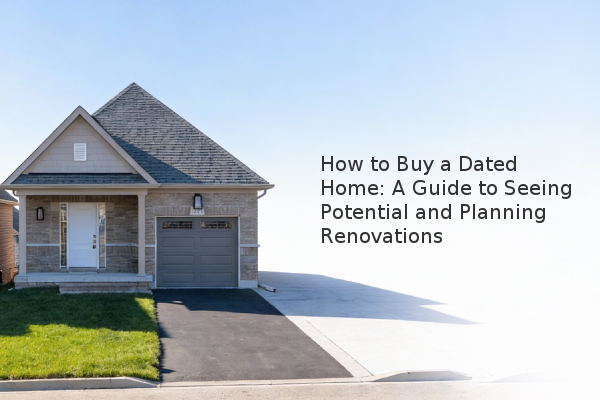
Buying a home that needs work requires a clear-eyed assessment of its potential and the costs involved. Based on our experience assessment, the key is to separate cosmetic flaws from structural soundness, budget realistically for renovations, and understand how a property's core layout aligns with your long-term needs. Focusing on a home's unchangeable assets—like location, view, and overall square footage—is crucial, while planning to update elements like kitchens and bathrooms.
When evaluating a dated property, prioritize the elements that are difficult or prohibitively expensive to change. A desirable location, good natural light, a functional floor plan, and attractive outdoor space are significant assets. During a walkthrough, it’s helpful to mentally categorize issues: which are simple cosmetic updates, and which are major structural or mechanical problems? For instance, an outdated kitchen with a layout you like is often a candidate for a cosmetic renovation, whereas a poorly located bathroom might require a more complex and costly remodel. The goal is to see past surface-level ugliness to the underlying potential of the space.
The purchase process for a fixer-upper can be unpredictable. It's not uncommon for sellers to receive multiple offers, including some above the asking price. However, higher offers can sometimes fall through if financing is not secured. Submitting a clean, straightforward offer at the asking price can be a strong strategy, especially if you are a well-qualified buyer. Patience can be a significant advantage, as sellers may prioritize a reliable buyer over a higher but riskier bid. Having your financial pre-approval in order and being prepared for a potential waiting period strengthens your position.
Renovating a home efficiently requires careful planning and a contingency fund for unexpected issues. A Hollywood-style, rapid renovation completed in three months is an aggressive timeline that often involves a dedicated team and a significant budget. For most homeowners, it is more realistic to plan for a longer timeframe. Always allocate an additional 10-20% of your renovation budget for unforeseen expenses, such as outdated wiring or plumbing problems discovered after walls are opened. Focusing on high-impact areas first, like the kitchen, which often becomes the heart of the home, can provide immediate satisfaction and functionality.
Undertaking a renovation, especially with a young family, requires logistical planning. If possible, coordinating renovations before move-in can minimize disruption. For families with children, creating a safe, contained space away from construction is essential. Choosing durable, low-maintenance materials can ensure your home remains a comfortable sanctuary during and after the renovation process. The ultimate goal is to create a space that is not only beautiful but also functional and safe for your family's daily life.
Successfully transforming a dated house into your dream home hinges on a disciplined approach to evaluating potential, navigating the purchase, and managing the renovation. By focusing on the property's permanent positives and planning meticulously for updates, you can make strategic decisions that enhance both your lifestyle and the property's long-term value.