Browse

Log in / Register
 Share
Share

For individuals seeking a minimalist and affordable lifestyle, locating tiny homes for sale near you in 2026 requires a targeted search through specialized online marketplaces, local builders, and niche real estate agents. The core appeal lies in significantly lower upfront costs and reduced living expenses, but securing financing and navigating local zoning laws, known as zoning ordinances, are critical hurdles. This guide provides a practical roadmap to find, evaluate, and purchase a tiny home in your area.
The decision to purchase a tiny home is often driven by financial and lifestyle goals. The most significant advantage is cost. The average price for a professionally built tiny home ranges from $45,000 to $120,000 in 2026, a fraction of the median price of a traditional single-family home. This lower cost translates to smaller or nonexistent mortgage payments. Additionally, monthly utility bills, maintenance, and property taxes—the annual tax levied by local governments on real estate—are dramatically reduced. Beyond finances, many are drawn to the environmental benefits of a smaller carbon footprint and the intentionality of living with fewer possessions.
Finding listings requires moving beyond traditional real estate websites. Your search should focus on three primary channels:
| Search Method | Pros | Cons |
|---|---|---|
| Online Marketplaces | Widest selection, user reviews | Varying quality, requires due diligence |
| Local Builders | Customization, direct communication | May have limited ready-to-move-in inventory |
| Real Estate Agents | Professional guidance, access to off-market deals | Smaller pool of specialists, agent commissions |
Financing a tiny home differs from a standard mortgage. If the home is on a permanent foundation and meets local code, you might qualify for a mortgage. However, many tiny homes on wheels are financed as recreational vehicles (RVs) using personal loans or RV loans, which often have higher interest rates and shorter terms. The most significant challenge is zoning. Many municipalities have minimum square footage requirements that outlaw tiny homes. You must verify local regulations regarding where you can place the home, whether on private land or in a dedicated tiny home community. Title insurance—a policy that protects against ownership disputes—is equally important if you are buying the land along with the home.
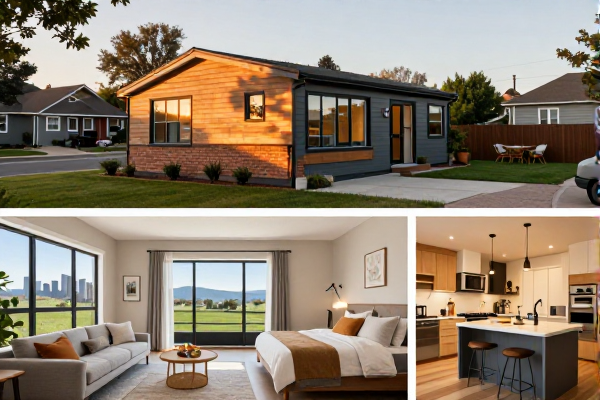
A thorough evaluation is crucial. Always insist on a professional home inspection conducted by a certified inspector familiar with small-space construction. They will check the integrity of the foundation, plumbing, electrical systems, and insulation. For used tiny homes, request maintenance records. Carefully review all contractual agreements, especially if the home is considered personal property rather than real estate. Understand the warranty coverage for new builds and confirm the Certificate of Occupancy—a document issued by a local government agency certifying a building's compliance with building codes—if it is required in your area.
To successfully navigate the 2026 tiny home market, start by meticulously researching your local zoning laws before falling in love with a specific model. Secure financing pre-approval to understand your true budget, and never skip a professional inspection to avoid costly future repairs.