Browse

Log in / Register
 Share
Share
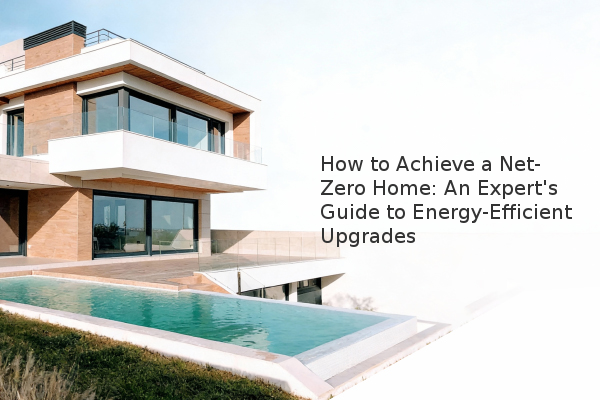
Achieving a net-zero home—one that produces as much energy as it consumes over a year—is an attainable goal through strategic upgrades like superior insulation, high-efficiency windows, and modern HVAC systems. Based on the experience of a professional home designer, a realistic five-year payback period is common for a comprehensive solar panel installation, all without requiring major lifestyle changes. This guide outlines the most effective energy-saving renovations for homeowners.
The most significant upgrades focus on sealing the home's envelope and modernizing core systems. Spray foam insulation creates an airtight seal, preventing heat loss in winter and heat gain in summer while also deterring pests. Replacing old windows with triple-paned, argon-filled glass is critical, as windows are a primary source of energy loss. For the heating, ventilation, and air conditioning (HVAC) system, a variable-speed compressor that operates in hundreds of incremental stages is far more efficient and gentler on electrical systems than traditional on/off models. These foundational improvements make the home more comfortable and drastically reduce energy demand.
Installing solar panels is the final step to offsetting a home's energy consumption. A net-zero status doesn't mean going off-grid; it means the system sends excess power to the utility grid during sunny periods to offset power drawn at night or on cloudy days. The utility meter tracks this exchange. Based on our experience assessment, a well-sized solar array can power all home appliances, including air conditioning and an electric vehicle charger, allowing homeowners to maintain their standard of living while eliminating monthly electricity bills.
The upfront cost is a key consideration. A typical solar panel system may have a payback period of approximately five years, factoring in available tax credits. While there is no monthly electric bill during this time, the investment is not immediately "in the black." The broader market for eco-conscious products has reached an inflection point where the initial investment in energy-efficient technology is no longer prohibitively expensive compared to standard options, making long-term savings more accessible.
To ensure a successful energy-efficient renovation, prioritize thorough planning. Consult with a professional early in the process to navigate product choices and system design, as proper advice is paramount for achieving your goals.