Browse

Log in / Register
 Share
Share
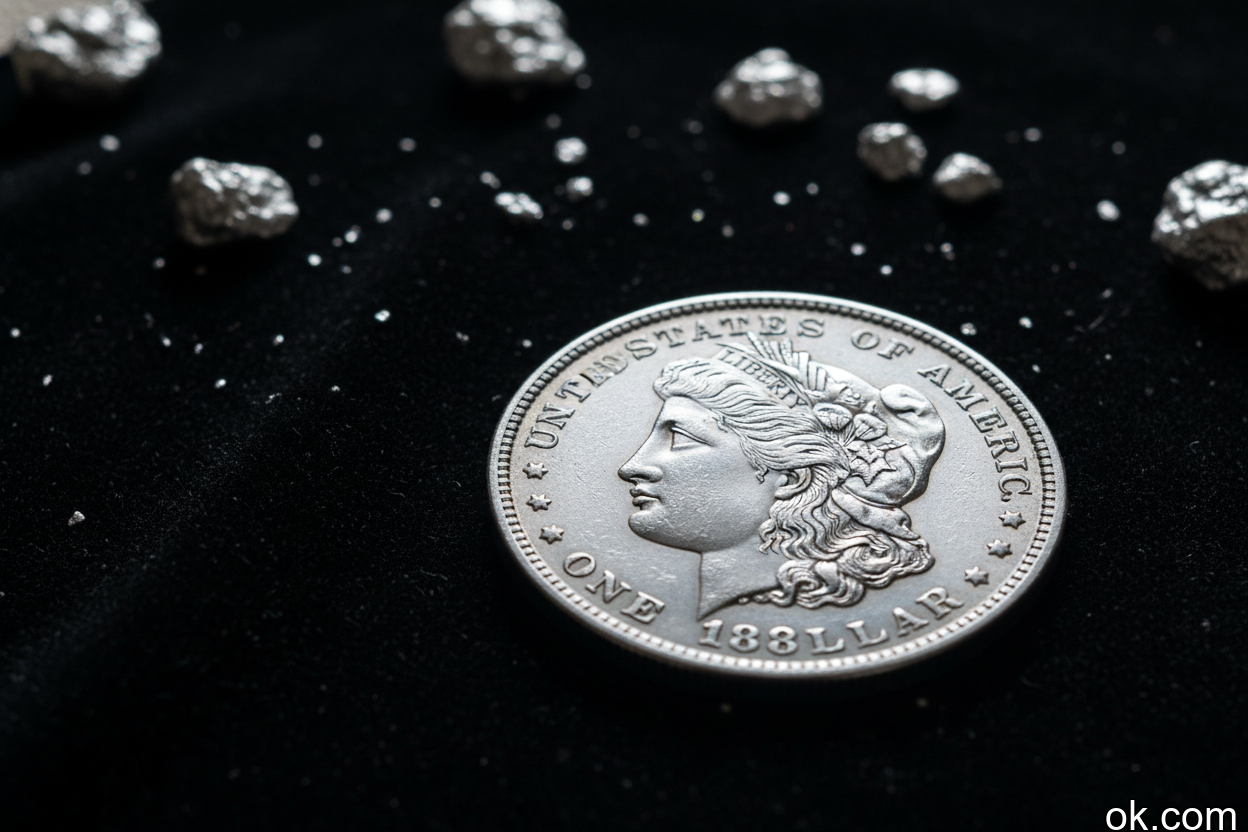
Ever idly glanced at a quarter in your pocket, maybe flipped it while waiting in line, and wondered if you were actually holding a little piece of historical wealth? I have. The glint of metal, the stoic face of Washington – it all hints at something more. But when it comes to "how much silver is in a quarter after 1964," the answer, sadly, is a big fat zero. Let's dig into why those post-1964 quarters are about as silver-y as a stainless steel spoon. Turns out, rising costs changed everything.
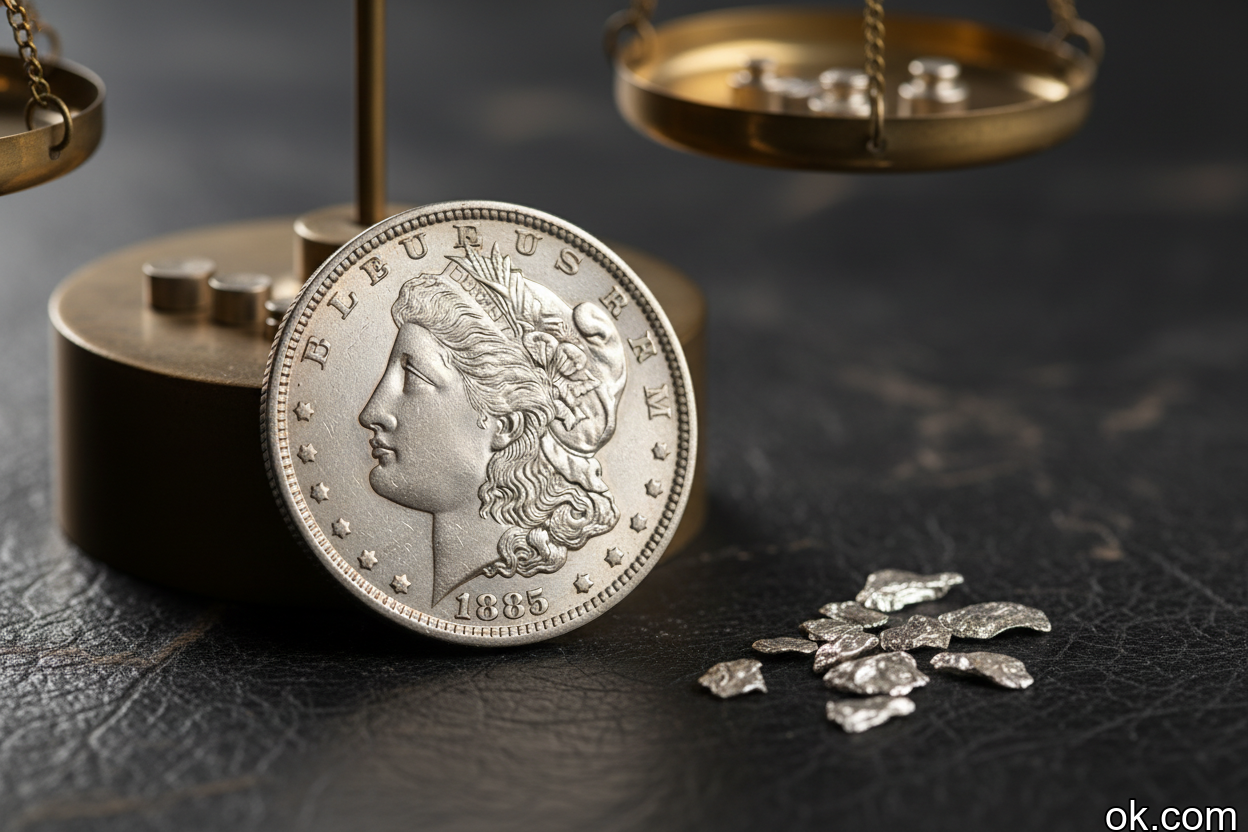
The burning question, "how much silver is in a quarter after 1964," has a pretty straightforward answer. Zip. Nada. Zilch. Why? Well, for generations, US quarters were made from 90% silver and 10% copper. Each one contained 6.25 grams, close to a fifth of a troy ounce. But things weren't always going to stay that way.
Rising silver prices in the early 1960s created a serious economic problem. Keeping the silver content meant the face value of the quarter would be less than the actual worth of the silver itself. People would hoard them, melt them down, and poof! No more quarters in circulation.
The US Mint faced a choice: either find a cheaper metal composition or watch the entire coinage system grind to a halt. So, they made the switch.
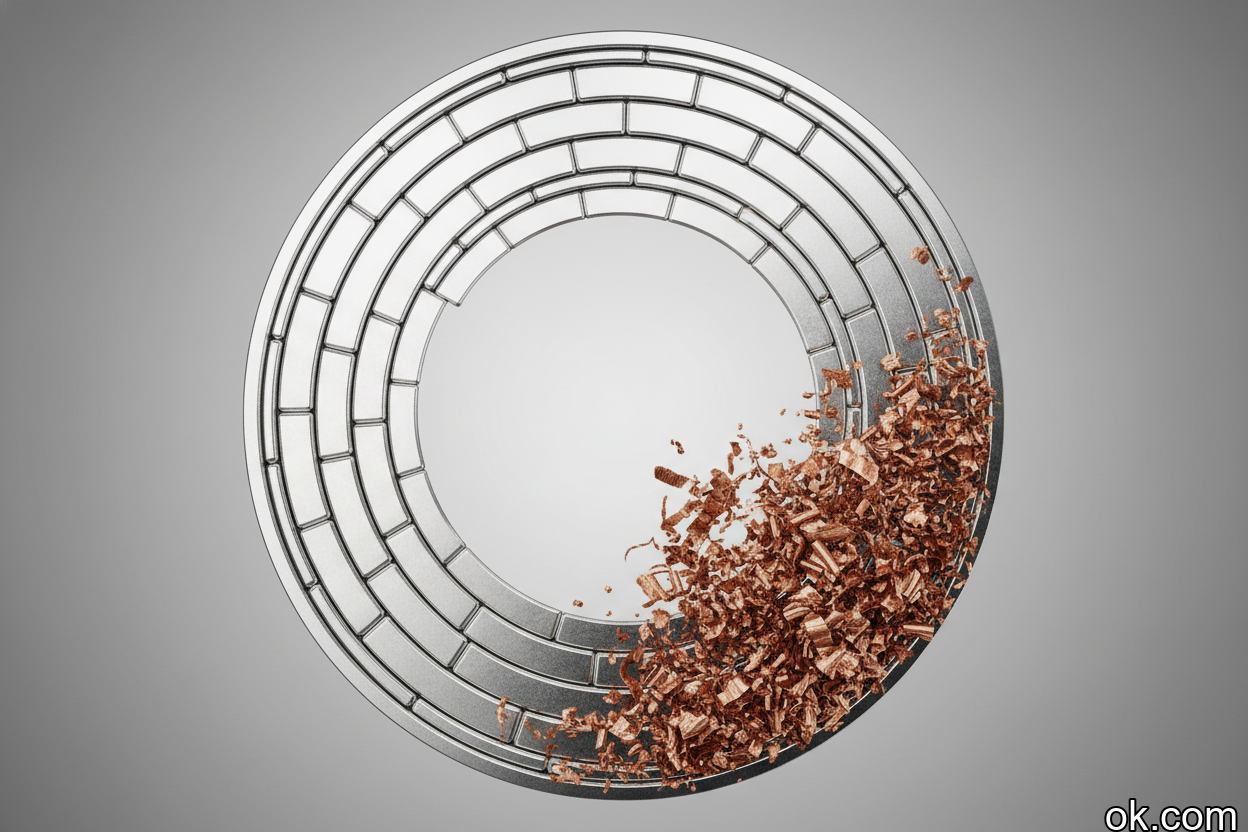
So, what replaced all that lovely silver? Enter cupro-nickel clad copper. A mouthful, right? Basically, it's a sandwich of copper layered between two outer layers of nickel and copper alloy. The new composition kept the appearance similar enough to the older silver quarters, but it eliminated the precious metal content. This stopped the mass hoarding and melting. You couldn't get rich melting down quarters anymore.
Think about it. The US Mint had been issuing coins with 90% silver for decades. And then, suddenly, nearly one-fifth of a troy ounce per quarter became an unsustainable luxury. The changeover was a monumental shift in how currency was made.
Okay, so your modern quarters aren’t made of silver, big deal, right? Well, here’s why it matters:
This is where things get a little more complicated. While regular circulation quarters minted after 1964 contain zero silver, the US Mint has occasionally released "silver proof" quarters for collectors. These are special editions and are not intended for general circulation. They do contain silver.
These silver proof quarters are usually 90% silver, just like the pre-1965 versions, but they are easy to distinguish. They have a very distinct shine and typically come in special packaging. It’s also worth noting these will be labeled as “proof” coins.
However, if you're digging through your spare change hoping to strike it rich, you're overwhelmingly likely to find only the cupro-nickel kind. Don’t get your hopes up!
The quest to determine "how much silver is in a quarter after 1964" ultimately highlights a fascinating shift in US coinage. Those shiny, silver quarters from before '65? They're a tangible reminder of a bygone era. They are literally pieces of silver in your pocket, worth significantly more than their face value.
Post-1964? Well, they're still good for buying gumballs or doing laundry. But from an investor's perspective, there is nothing. So, next time you're sorting through your change, take a closer look. You might just stumble across a little piece of silver history.
And if you happen to find one? Maybe consider holding onto it. Who knows? Maybe someday, cupro-nickel will be the valuable one! (Just kidding... probably.) Now, go check your coin jar, what do you have to lose?