Browse

Log in / Register
 Share

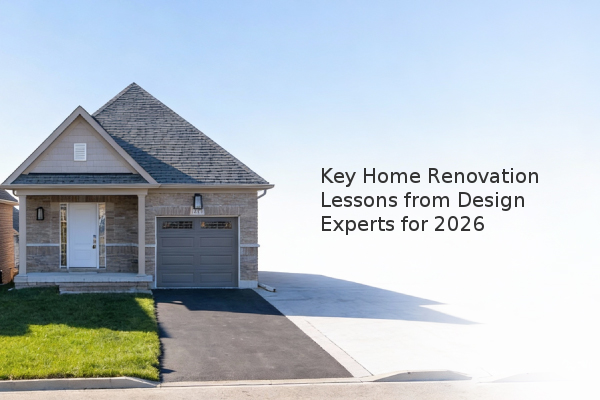
Implementing strategic design changes can significantly increase your home's functionality, value, and overall appeal. Based on an assessment of a professional renovation, several key lessons emerge for homeowners planning updates in 2026. These include addressing poor layouts, embracing mixed materials, and enhancing natural light. By focusing on these areas, you can create a more comfortable and stylish living environment.
How can you fix an awkward layout for better privacy? One of the most critical aspects of a functional home is a logical layout that prioritizes privacy, especially in entertaining areas. A significant design flaw occurs when a bathroom door opens directly into a dining or living space. This can create discomfort for both guests and residents. The optimal solution involves reconfiguring the floor plan to create a buffer zone. Adding a small wall to form a short hallway effectively shields the bathroom entrance from the main living areas. This simple architectural change provides essential privacy without requiring a massive structural overhaul, making the space more comfortable for daily use and entertaining.
Is it acceptable to mix different wood tones and finishes? The modern approach to interior design has moved away from perfectly matched sets. Mixing wood tones and metal finishes is not only acceptable but is often preferred to create a dynamic and layered look. This technique, key to styles like modern farmhouse, involves combining light woods, dark woods, and mid-tones. For example, a reclaimed wood beam on a mantel can contrast beautifully with lighter hardwood floors and mid-toned wood furniture. The goal is to achieve a curated, collected-over-time feel rather than a showroom-matched appearance. This approach adds depth and character to a room, making the design feel more personal and intentional.
What are the alternatives to classic black-and-white checkered floors? While bold, graphic floors have their place, they may not suit every home style. For a contemporary farmhouse aesthetic, a subtler take on the checkered pattern can be more effective. Instead of high-contrast black and white, consider using a gray-and-white color palette for floor tiles. To further elevate the design, setting the tiles in a diamond pattern adds a touch of sophistication. Although this pattern may require more precise cuts and material, the resulting visual interest is often worth the additional investment, which can be around $3,500 for a kitchen. This approach honors a homeowner's desire for pattern while ensuring it complements the overall style.
How can you create organized entryway storage without a formal foyer? Many homes, especially older ones, lack a defined foyer, leading to a cluttered entry point. Relying on a freestanding coat tree is often an unstable and messy solution. A far more functional alternative is to install built-in pegboard storage or a dedicated storage wall. This maximizes vertical space, providing organized areas for coats, bags, and boots. This transformation turns an awkward corner into a highly functional drop-zone, improving the home's organization and first impression. It is a much better use of space that directly addresses daily needs.
How can you improve natural light in a dark entryway? A solid front door can block a significant amount of natural light, making an entryway or adjacent living room feel dark and closed-in. Replacing a solid door is a highly effective solution. Installing a new door with full or large glass panels can dramatically brighten the interior. Modern options offer energy efficiency and security comparable to solid doors, addressing concerns about insulation and safety. While such a door may cost around $2,000, the improvement in ambient light and curb appeal provides a substantial return. As a sustainable bonus, the old solid wood door can be repurposed into custom shelves, adding character to another room.
Conclusion A successful renovation hinges on practical solutions to common design problems. To enhance your home in 2026, focus on these actionable steps: First, assess the floor plan for privacy issues, particularly near bathrooms. Second, confidently mix materials and wood tones for a modern look. Third, opt for sophisticated tile patterns in neutral palettes. Fourth, replace temporary storage with built-in organizational systems. Finally, prioritize natural light by updating solid exterior doors. By incorporating these expert-led strategies, you can create a home that is both beautiful and highly functional.