Browse

Log in / Register
 Share
Share
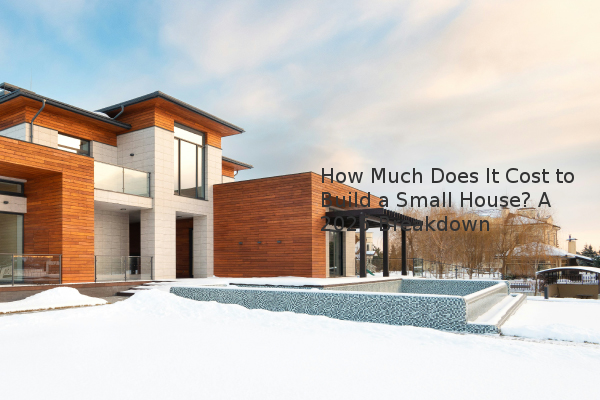
Building a small house in 2025 typically costs between $150,000 and $400,000, with significant variations based on location, construction method, and finishes. This initial investment covers a spectrum from a basic, functional dwelling to a highly customized, energy-efficient home. Understanding the breakdown of these costs is crucial for effective budgeting and planning your project.
The final price is far from a single number. It is a sum of numerous factors, including land acquisition, permitting, materials, labor, and interior finishes. This article provides a detailed, objective breakdown of the expenses involved in constructing a small house, empowering you with the knowledge to assess the financial feasibility of your build.
The total cost is influenced by several key variables. The geographic location is paramount, as labor rates and material costs can differ drastically between states and even cities. For instance, building in a high-cost-of-living state like California will be significantly more expensive than in many rural parts of the Midwest. The construction method is another major factor. A traditional stick-built home (constructed on-site from individual pieces of lumber) has different cost dynamics than a prefabricated or modular home, which is partially assembled in a factory.
The size of the home, naturally, is a primary driver. While we are focusing on "small" homes, typically defined as under 1,500 square feet, the difference between a 600 sq. ft. and a 1,200 sq. ft. layout is substantial. Finally, the quality of materials and the level of customization—from standard builder-grade fixtures to high-end appliances and custom cabinetry—will heavily impact the bottom line.
To understand where your money goes, it's helpful to dissect the budget. Costs are often calculated per square foot, but this metric should be used as a guide rather than a definitive quote. Based on current construction data, the average cost per square foot for a small home ranges from $150 to $300+.
| Cost Component | Average Cost (Per Sq. Ft.) | Description |
|---|---|---|
| Foundation & Framing | $30 - $60 | Includes site preparation, concrete slab or basement, and the basic wooden structure. |
| Exterior Work | $15 - $30 | Covers roofing, siding, windows, and exterior doors. |
| Major Systems | $40 - $80 | Encompasses electrical, plumbing, and HVAC (Heating, Ventilation, and Air Conditioning) installation. |
| Interior Finishes | $50 - $100 | Includes drywall, insulation, flooring, painting, and basic cabinetry. |
These figures represent the "hard costs" of construction. They are the direct expenses related to the physical building process. It is also critical to account for land costs, which can vary from $30,000 for a rural lot to several hundred thousand dollars in a desirable suburban area.
Beyond the core construction and land costs, several other expenses are often overlooked in initial planning. Permitting fees are required by local municipalities to ensure the build complies with zoning and building codes; these can range from a few hundred to several thousand dollars. Architect and design fees typically cost 5% to 15% of the total construction budget.
You must also budget for utility connections, such as hooking up to water, sewer, electricity, and gas lines, which can cost $5,000 to $20,000. Furthermore, it is prudent to set aside a contingency fund of 10-15% of the total project cost to address unexpected issues like bad soil conditions, weather delays, or material price increases.
The financial decision between building and buying is complex. While building allows for ultimate customization and potentially higher energy efficiency, it is not always the cheaper option. Purchasing an existing home avoids the stresses and uncertainties of the construction process. A key consideration is the long-term value; a well-built small house on a good plot of land can be an excellent investment, but its resale value will be heavily influenced by the local market comparables.
To make an informed decision:
Building a small house is a significant undertaking that requires meticulous financial planning. By understanding all potential costs from the outset, you can create a realistic budget and move forward with your project confidently.