Browse

Log in / Register
 Share

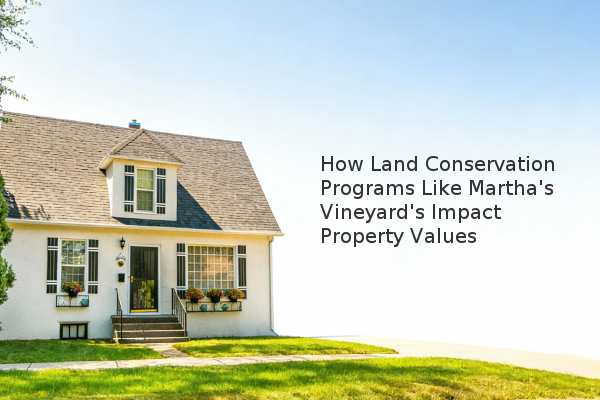
Land conservation efforts, such as the grazing program implemented by the Martha's Vineyard Land Bank, directly contribute to maintaining and enhancing local property values by preserving scenic landscapes and controlling invasive species. For homeowners and potential buyers, understanding the connection between managed open spaces and real estate desirability is crucial. These programs, often funded by mechanisms like a transfer tax on real estate transactions, ensure that community character and natural beauty are protected, which are significant factors in long-term property appreciation.
What is the Martha's Vineyard Land Bank and how is it funded?
The Martha's Vineyard Land Bank is a conservation agency established to protect the island's natural resources. Its primary funding comes from a 2% public surcharge on most real estate transfers occurring within the island's six towns. This fee, a type of transfer tax, is applied to the sale price of a property. The revenue generated is dedicated to acquiring and managing conservation land. This model demonstrates a direct link between real estate market activity and funding for environmental stewardship, indirectly benefiting all property owners by preserving the island's appeal.
How does land management affect property values?
Effective land management, including the control of invasive species and the maintenance of open fields, directly impacts real estate aesthetics and usability. Overgrown vegetation can detract from scenic views and accessible recreational areas, potentially lowering the appeal of adjacent properties. The Land Bank’s use of livestock for low-intensity rotational grazing is a sustainable method to combat this. By maintaining clear, picturesque landscapes, these efforts help sustain the high desirability of Martha's Vineyard as a location, which is a key driver of its real estate market. According to current assessments, well-maintained conservation land is a recognized amenity that can positively influence nearby property values.
What should real estate buyers consider regarding conservation areas?
When evaluating a property purchase near conserved land, buyers should consider the long-term management plans for those areas. A stable, well-funded conservation program like the Land Bank's provides a predictable and maintained environment. Prospective buyers can inquire about:
The bottom line for homeowners and buyers
The integration of conservation into community planning is a significant factor in real estate valuation. The efforts on Martha's Vineyard highlight that property transfer taxes can be strategically allocated to fund amenities that benefit the entire community and protect investments. For anyone involved in a real estate transaction on the island, understanding the purpose of the transfer tax provides insight into how community funds are used to maintain the quality of life that makes the area unique.
Conclusion
Based on our experience assessment, the correlation between active land conservation and stable property values is clear. The Martha's Vineyard Land Bank’s program is a prime example of how strategic land management, funded by real estate transactions, creates a sustainable cycle of preservation and value. For homeowners, the presence of a robust conservation program is a positive indicator of a community's commitment to maintaining its character and appeal. Buyers should view such programs as a valuable aspect of their investment, contributing to the long-term health of the local real estate market.