Browse

Log in / Register
 Share

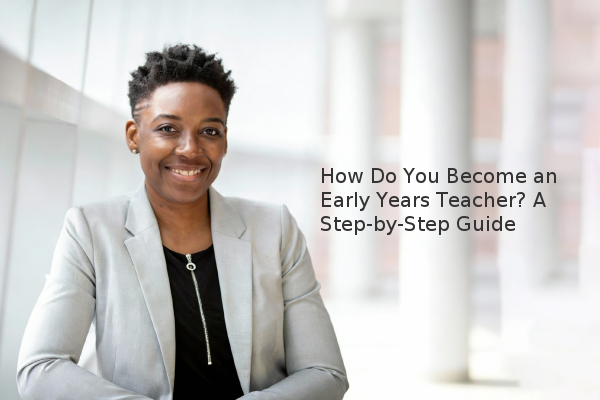
Becoming an early years teacher requires a specific academic qualification, practical experience, and a unique set of interpersonal skills focused on educating children from birth to five years old. The most direct path involves obtaining an undergraduate or postgraduate degree that leads to Early Years Teacher Status (EYTS), a specialized certification for this age group. Gaining experience through volunteering and assistant roles is equally critical for developing the competencies needed to foster a safe and stimulating learning environment.
What is an Early Years Teacher? An early years teacher is a qualified professional specializing in the education and development of children up to the age of five. Their role extends beyond academic instruction to include nurturing a child's curiosity, social skills, and cognitive abilities during their most formative years. A primary responsibility is ensuring the health and safety of children in their care, making the learning environment secure and supportive. This foundational stage is critical for establishing lifelong learning habits, making the teacher's role highly impactful.
How to Become an Early Years Teacher: A Step-by-Step Guide
1. Obtain a Relevant Degree and Early Years Teacher Status (EYTS) The foundational step is to complete an accredited initial teacher training (ITT) program. For aspiring early years teachers, this means pursuing a degree that awards Early Years Teacher Status (EYTS) upon graduation. It's important to distinguish EYTS from Qualified Teacher Status (QTS), which qualifies educators to teach children from primary school age (5-11) and beyond. EYTS is specifically designed for the early years foundation stage (EYFS). These programs combine academic learning with practical placements, allowing you to apply theoretical knowledge in real classroom settings under the guidance of experienced mentors.
2. Gain Practical Experience Through Volunteering While completing your degree, proactively seek volunteering opportunities with organizations that work with young children. Groups like local Scouts, sports clubs, or community playgroups are excellent avenues. These roles provide hands-on experience in child engagement and group management. Crucially, these organizations typically require a Disclosure and Barring Service (DBS) check, a mandatory background screening in the UK for anyone working with children or vulnerable adults. This experience not only builds your skills but also demonstrates your commitment to potential employers.
3. Work as a Teaching Assistant Securing a paid position as a teaching assistant (TA) in a nursery or preschool is a highly effective way to bridge the gap between training and leading your own classroom. As a TA, you will support the lead teacher with lesson preparation, classroom activities, and individual student attention. This role hones essential skills like behavior management, differentiated instruction for varying abilities, and effective communication with both children and parents. This practical, day-to-day experience is invaluable on your CV and during interviews.
4. Research the Job Market and Tailor Your Applications Before applying, thoroughly research the early years job market. Analyze job descriptions on platforms like ok.com to identify common requirements and keywords. Create a shortlist of desirable employers based on their ethos, location, and benefits. When you are ready to apply, tailor your CV and cover letter for each specific vacancy. Highlight your EYTS, relevant experience, and the skills that directly match the employer's needs. A targeted application significantly increases your chances of securing an interview.
5. Apply for Positions and Prepare for Interviews Apply for a range of positions to increase your opportunities in this competitive field. The interview process for an early years teacher often includes presenting a mini-lesson or task to a group of children, followed by a formal interview. Prepare by reviewing the Early Years Foundation Stage framework and be ready to discuss your teaching philosophy, classroom management strategies, and practical examples of how you've supported child development. Demonstrating thorough preparation shows your professionalism and dedication.
Essential Skills for an Early Years Teacher Developing a strong skill set is as important as formal qualifications. Here are key competencies to focus on:
Based on our assessment experience, a successful early years teacher combines formal EYTS qualification with genuine, practical experience working with the 0-5 age group. The career path is structured but requires proactive effort in gaining relevant experience and refining key interpersonal skills. Focus on obtaining EYTS, gaining hands-on experience through roles like a teaching assistant, and continuously developing core skills like communication and empathy to build a rewarding career shaping young minds.