Browse

Log in / Register
 Share
Share
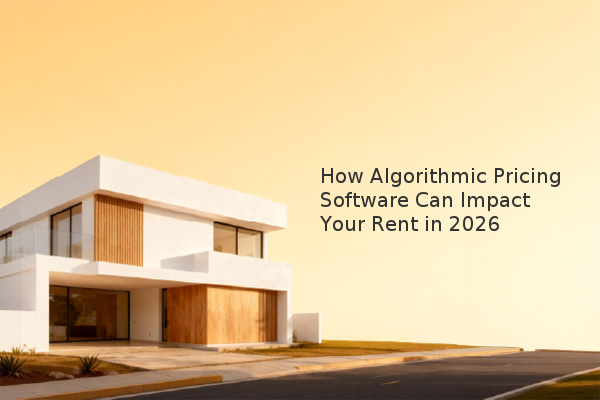
A recent multi-state legal settlement highlights a critical issue for renters: algorithmic pricing software can contribute to higher, less competitive rental prices. In early 2026, Greystar Property Management, the nation's largest landlord, agreed to a $7 million settlement over claims it used such software to coordinate rent increases. For tenants, this underscores the importance of understanding the market forces behind your rent bill and how to navigate them effectively. The core takeaway is that non-public data sharing between landlords, facilitated by algorithms, can artificially inflate rental costs, limiting affordable options.
Algorithmic pricing refers to software that uses data, including confidential information from competitors, to recommend rental rates. In this case, the service RealPage was central to the states' lawsuit. The software analyzes supply, demand, and, critically, non-public pricing data from other landlords who are subscribers. Instead of setting rents based solely on a property's unique features and local market competition, this approach can lead to a more uniform, and often higher, pricing landscape. Based on our experience assessment, when major landlords use the same data pool, it reduces natural price competition, leaving renters with fewer affordable choices.
The legal complaint alleged that companies participated in an "algorithmic pricing scheme," discussing competitively sensitive topics. As part of the settlement, Greystar has agreed to stop using software that relies on other landlords' confidential data to set rents. This legal action, involving attorneys general from nine states, establishes a precedent that such practices may violate antitrust laws designed to protect consumers from price-fixing.
| Aspect of Traditional Pricing | Impact of Algorithmic Pricing |
|---|---|
| Competition: Landlords set prices independently to attract tenants. | Reduced Competition: Prices are influenced by a shared data pool, leading to uniformity. |
| Market Dynamics: Rent is based on a property's value and open-market trends. | Artificial Inflation: Algorithms can recommend increases aimed at maximizing profit across multiple properties. |
| Transparency: Prices fluctuate based on observable supply and demand. | Opacity: Renters are unaware of the data-driven coordination behind listed prices. |
A competitive market is one where landlords and property management companies set rents independently. Signs of a healthy, competitive market include a wide range of prices for similar units, frequent move-in specials or concessions, and landlords who are willing to negotiate. When you see significant price variation between comparable apartments in the same neighborhood, it indicates that each property is competing for your business. To assess competition, compare at least 3-5 similar units in your desired area and note the price differences and included amenities.
Conversely, a market influenced by algorithmic coordination may show unusually consistent pricing across large, corporate-owned properties, with little room for negotiation. If every major apartment complex in an area has nearly identical rents for similar floor plans, it could be a red flag, though not definitive proof. The goal is to find markets where individual property managers make pricing decisions based on their specific vacancy rates and costs, not on centralized data recommendations.
Navigating the rental market requires a proactive strategy. First, broaden your search to include smaller, privately-owned buildings and condominiums, which are less likely to use large-scale pricing software. These landlords often have more flexibility and may be more responsive to individual tenants. Focus your search on a mix of large corporate complexes and smaller, independent landlords to ensure you see a full spectrum of pricing.
Second, always be prepared to negotiate your rent. Even in a tight market, there may be room for discussion, especially if you have strong credit, stable income, or are willing to sign a longer lease. Ask if the landlord offers any concessions not reflected in the listed price. Finally, use multiple listing platforms and do not rely on a single source. Cross-referencing data helps you build a comprehensive view of what constitutes a fair price in your target neighborhood.
The recent legal settlement serves as a reminder that rental pricing is not always a simple function of supply and demand. While the outcome may lead to changes in how large management companies operate, the responsibility often falls on renters to be informed and vigilant. The most effective way to combat artificially high rents is to be an educated consumer, conducting thorough research and exploring all available options before signing a lease.