Browse

Log in / Register
 Share

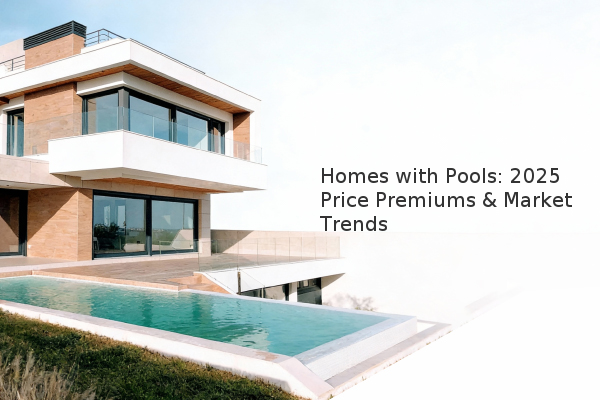
The premium for a home with a swimming pool has moderated from its pandemic peak but remains a significant value-add, especially in warmer climates. As of April 2025, a typical U.S. home with a pool commanded a 54% price premium over similar homes without one, a figure that has recalibrated to pre-pandemic levels. While sellers should avoid overpricing based solely on this amenity, pools continue to be a highly sought-after feature for buyers.
The extraordinary premium for pool homes seen during the height of COVID-19 has softened. According to recent analysis, the price premium peaked at a record 61% in January 2022. As of April 2025, that premium has settled at 54%. This shift indicates a market correction rather than a loss of value. The median list price for a home with a pool was $599,000 in April 2025, reflecting a 44% increase since 2019. During the same period, homes without pools also saw a significant price surge of 42%, rising from a median of $274,000 to $389,000. This parallel growth suggests that while the relative premium for pools has narrowed, absolute values for all homes have climbed.
The adjustment is a direct result of changing lifestyles and market conditions. During the pandemic, travel restrictions and stay-at-home orders fueled intense demand for private backyard amenities. This created a unique market dynamic where buyers were willing to pay a staggering premium for a pool. As normal life resumed, the urgency for a home-based oasis diminished. With more homes on the market today, buyers have greater choice and are less compelled to pay top dollar for this specific feature. As one senior economic research analyst notes, this "recalibration suggests that the unique circumstances that inflated pool values are no longer the dominant market force."
The desirability of a swimming pool is highly dependent on climate. Unsurprisingly, demand is strongest in the South and West, where a pool is often considered a standard amenity rather than a luxury. The following metros had the highest share of listings featuring a pool in 2025:
| Metro Area | % of Listings with a Pool |
|---|---|
| Miami, FL | 62% |
| Phoenix, AZ | 58% |
| Orlando, FL | 55% |
| Austin, TX | 52% |
| Tampa, FL | 48% |
Cities like Las Vegas have seen the most dramatic increase in the availability of pool homes, with the share of listings featuring a pool jumping from 16% in 2019 to over 43% in 2025. This trend is often correlated with substantial new-construction activity, where pools are included as either private features or part of community amenity packages.
For sellers, the key is realistic pricing. Sellers should be mindful of the evolving market dynamics and avoid overpricing their properties based solely on the presence of a pool. The market is more value-sensitive, and an inflated price could deter potential buyers.
For buyers, the decision involves a cost-benefit analysis. It's crucial to weigh the lifestyle benefits against the price premium and ongoing maintenance costs. Owning a pool involves responsibilities like regular cleaning, chemical balancing, and potential repairs, which add to the overall cost of homeownership. The dream of a backyard oasis remains appealing, but its market value is now grounded in a more balanced reality.
Ultimately, a pool is still a valuable asset, but its premium is no longer inflated by pandemic-era factors. Both buyers and sellers should base their decisions on current local market data and a clear understanding of the associated costs.