Browse

Log in / Register
 Share

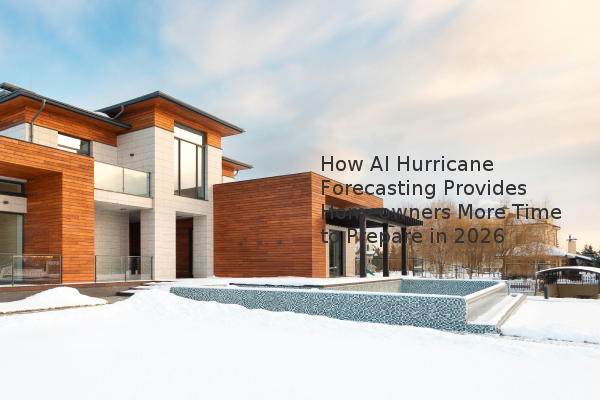
For coastal homeowners, the most significant benefit of advanced AI hurricane forecasting in 2026 is the potential for up to 15 days of lead time, fundamentally changing preparedness from a desperate scramble to a strategic, calm process. This technological leap, led by new predictive models, allows for more informed decisions about property protection and evacuation, potentially mitigating catastrophic damage. The core advantage for homeowners is the transformation of early warning into actionable, well-planned steps to safeguard their largest investment: their home.
The latest advancement centers on a single AI model that analyzes both the large-scale atmospheric winds that steer a hurricane and the small-scale conditions that determine its intensity. This dual-capability is a significant step beyond previous models. For the first time, forecasts can provide a more complete picture of a storm's potential path and its likely strength over a 15-day period. Based on our experience assessment, this extended window is achieved by training the AI on a massive dataset, including 45 years of historical hurricane records and tens of thousands of contemporary observations from satellites and ocean buoys. This depth of training allows the model to identify complex patterns that might be missed by traditional methods.
An extended forecast window allows for a methodical approach to hurricane preparedness, moving beyond last-minute panic. The key is to use the time to execute a phased plan, ensuring nothing is overlooked.
Early evaluations indicate that these AI models show promising accuracy, with track predictions sometimes being closer to the actual storm's path than some leading physics-based models. However, it is critical to understand that these AI tools are experimental and designed to augment, not replace, human expertise. Official hurricane warnings and evacuation orders will always originate from expert forecasters at the NHC who interpret the AI data alongside real-time satellite imagery and aircraft reconnaissance. Homeowners should treat AI forecasts as a valuable early guidance system but must base final, life-altering decisions on official sources.
While the core principles of hurricane preparedness remain unchanged, this technology introduces a new layer of strategic planning. The predictability afforded by a longer lead time can influence long-term property management decisions. For instance, homeowners might be more inclined to invest in permanent storm mitigation features like impact-resistant windows or reinforced garage doors, knowing they have a higher probability of receiving advanced warning to justify the investment. It emphasizes the importance of having a comprehensive, written preparedness plan that can be activated calmly and efficiently over a two-week period, rather than in a frantic 48-hour window.
In conclusion, the emergence of sophisticated AI forecasting in 2026 provides coastal homeowners with an unprecedented opportunity to protect their property and family. The key to leveraging this advantage lies in a proactive approach: develop a phased preparedness plan, understand your insurance coverage thoroughly, and always defer to official guidance from the National Hurricane Center for final evacuation decisions. This technology empowers preparedness, but ultimately, diligent planning and timely action are what save homes and lives.