Browse

Log in / Register
 Share

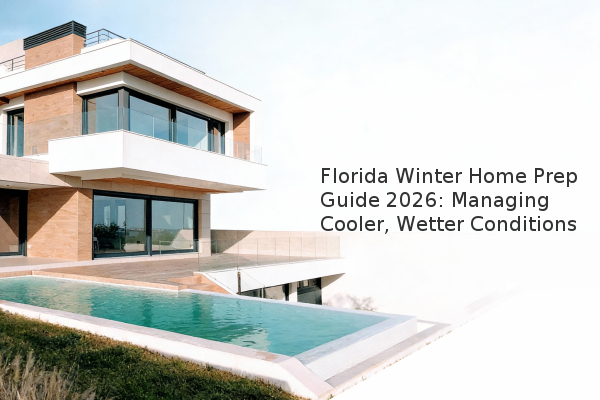
Based on the latest seasonal forecast, Florida homeowners should prepare for a cooler and wetter winter than usual. Proactive maintenance focusing on moisture control, energy efficiency, and drainage is crucial for protecting your property and ensuring comfort. This guide outlines the key steps to take before the season begins.
What is the 2026 Winter Forecast for Florida?
The Old Farmer’s Almanac 2026 Winter Forecast predicts a distinct weather pattern for Florida, setting it apart from the "mostly mild" national outlook. The state is expected to experience below-normal temperatures, with the coldest periods anticipated in mid-to-late December and throughout much of January. Precipitation is also forecast to be above normal across most of the peninsula. Early-season tropical activity could bring heavy rain in November, followed by consistently soggy conditions as weather fronts move in from the Gulf of Mexico. This combination demands a shift in home maintenance priorities from heat mitigation to moisture and draft management.
Why is Sealing Your Home a Priority This Winter?
A cool, damp winter increases the risk of drafts and indoor humidity problems. Sealing gaps around doors, windows, and vents is a critical first step. When cool air seeps in through small openings, it can lead to condensation, which promotes mildew growth and forces your heating system to work harder. Based on our experience assessment, addressing these leaks can significantly improve indoor comfort. The U.S. Department of Energy estimates that reducing drafts can lower annual energy costs by 5% to 30%. Using weatherstripping or caulk to seal these gaps is a cost-effective way to stay warmer and reduce utility bills.
How Can You Prepare Your Home’s Drainage and Plumbing?
With above-average rainfall predicted, ensuring proper water diversion is essential to prevent foundation issues and water intrusion. Start by clearing gutters and downspouts of debris to allow water to flow freely away from your home. Next, inspect the caulking around tubs and sinks to prevent moisture buildup within walls. This is also an ideal time to test for radon gas; test kits cost approximately $20 and are effective during winter when homes are sealed up. Proper drainage and a dry interior are your best defenses against a wet Florida winter.
What Safety and Efficiency Checks Should You Perform?
Basic safety maintenance aligns well with seasonal changes. As Daylight Saving Time ends, make it a habit to test smoke detectors and replace their batteries. If your units are outdated, consider hiring a professional to install hard-wired detectors, which typically cost between $80 and $120 per unit. This simple task ensures your family’s safety during the holiday season. Additionally, the cooler weather provides a good opportunity for a deep clean. Washing guest linens and polishing serving ware before gatherings can make hosting easier. A professional deep cleaning service, generally costing $200 to $400, can also help manage indoor allergens that can worsen with higher humidity.
Conclusion: Key Takeaways for Florida Homeowners
Preparing for Florida’s unique winter conditions is about adapting to cooler temperatures and increased moisture. Focusing on sealing drafts, ensuring proper drainage, and performing routine safety checks will protect your investment and enhance comfort. These proactive steps are predictable measures that can lead to significant energy savings and prevent potential damage. For those considering energy-efficient upgrades, using a mortgage calculator can help assess how such improvements or refinancing might impact monthly finances.