Browse

Log in / Register
 Share
Share
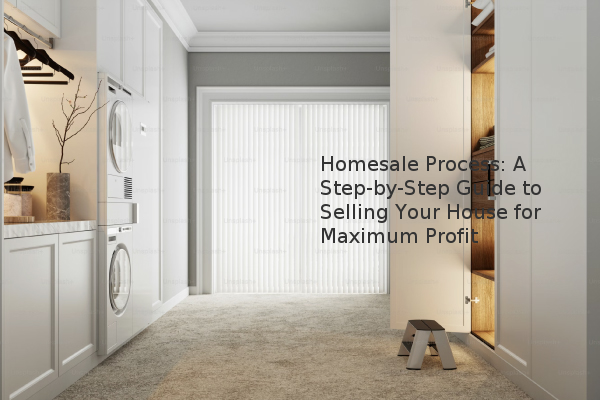
Selling a home involves a series of strategic steps designed to maximize your financial return and ensure a smooth transaction. The key to a successful homesale lies in meticulous preparation, accurate pricing, and effective marketing. By understanding the process from start to finish, you can navigate the complexities with confidence, avoid common pitfalls, and ultimately achieve a profitable sale in today's competitive real estate market.
Before listing your property, a thorough preparation phase is critical. This begins with a Pre-listing Inspection, a proactive assessment by a licensed home inspector to identify any potential issues that could derail a sale later. Addressing repairs upfront enhances buyer confidence. Next, consider a Comparative Market Analysis (CMA), a report that evaluates prices of recently sold homes similar to yours in the area. This analysis, typically prepared by a real estate expert, provides the data needed to set a competitive and realistic listing price. Finally, decluttering, deep cleaning, and strategic staging—arranging furniture and decor to highlight the home's best features—are investments that significantly impact a buyer's first impression.
| Preparation Task | Objective | Potential Impact on Sale Price |
|---|---|---|
| Pre-listing Inspection | Identify and fix hidden issues | Prevents price reductions during negotiation |
| Comparative Market Analysis | Determine optimal listing price | Maximizes interest and minimizes time on market |
| Home Staging & Repairs | Enhance visual appeal and condition | Can increase final sale price by 1-5% |
Accurate pricing is the cornerstone of a successful homesale. An overpriced home will stagnate on the market, while an underpriced one leaves money on the table. The most reliable method is to base your price on the CMA, which reflects what buyers have recently been willing to pay for comparable properties, or "comps." Factors such as your home's square footage, number of bedrooms and bathrooms, lot size, condition, and unique amenities are all weighed against the comps. It's also vital to understand the current market dynamics; in a seller's market with low inventory, you might price more aggressively, whereas in a buyer's market with high inventory, a competitive price is essential to attract attention.
Once your home is prepared and priced, a comprehensive marketing plan exposes it to the widest possible pool of qualified buyers. This involves professional photography, virtual tours, and listing on major online platforms. The goal is to generate multiple offers, creating a competitive bidding environment. When offers arrive, you'll enter the negotiation phase, which covers not only the final sale price but also contingencies—conditions that must be met for the sale to proceed. Common contingencies include a buyer's home inspection, appraisal, and financing. A strong offer is not just about the highest number; it's also about the strength of the buyer's pre-approval and the flexibility on terms like the closing date.
After accepting an offer, the home enters the closing period, which typically lasts 30 to 45 days. The buyer will conduct a formal home inspection and appraisal. If the appraisal comes in below the agreed sale price, you may need to renegotiate. You will also be required to provide a Title Insurance policy, which protects the buyer and lender from any future ownership claims against the property. As the seller, you are responsible for paying certain closing costs, which can include property tax prorations, transfer taxes, and real estate agent commissions. The process culminates at the closing table, where all documents are signed, funds are transferred, and the property's title—the legal evidence of ownership—is officially conveyed to the new buyer.
To optimize your homesale, focus on strategic preparation, data-driven pricing, and understanding buyer motivations. A well-executed plan not only accelerates the sale but also directly contributes to maximizing your net profit.